

Tuesday, September 1, 2026
Product Ownership in Practice: Alexander Looks Beyond Processes and Backlogs
As a Senior Staff Product Owner, Alexander supports teams across Palo Alto Networks. His stakeholders range from developers and architects to product managers, support, and leadership; each has their own timelines, vocabularies, and definitions of success. His biggest takeaway after one year in the role? A product owner’s role boundaries can flex, but accountability doesn't. Learn more about Alexander’s experience and insights below.
“A product owner’s job description includes tasks like backlog grooming, stakeholder alignment, and roadmaps, but an important part of the work is shaping how people think about problems before solutions are needed,” explained Alexander. “Success is seen in what doesn’t happen—architectural dead-ends not taken, edge cases that never multiplied, and decisions made calmly rather than under pressure.” In this blog, Alexander shares his lessons learned over the past year.
Part I: Shaping Thinking
There's a Hebrew saying: אֵיזֶהוּ חָכָם? הָרוֹאֶה אֶת הַנּוֹלָד—the wise one sees what's coming. Seeing the full picture of system usage matters more than the requirement in front of you. We're not just delivering today's feature; we're shaping how quickly tomorrow's roadmap becomes reality.
The key to building the right core abstraction is in finding a correct set of building blocks a solution will be constructed from. For the math-inclined: think of it like linear algebra. Two vectors on the same line just give you a longer line. Two vectors pointing in different directions give you an entire 2D plane. Add a third independent vector, and you've got 3D space. I'm always looking for a perfect basis set—the minimal linearly independent building blocks needed to span the maximal functional space.
More simply, I often prioritize building future-proof reusable components over implementing solutions tailored to specifically requested business cases. The right primitives give the whole organization a shared language. Velocity goes up, fewer meetings are spent aligning on fundamentals—that's scaling thinking.
When revising product specs, I pressure-test them to ensure a system maintains its core invariants throughout the process. I test that for a given input, the required post-conditions are met, regardless of the intermediate flow. This ensures consistent behavior. Furthermore, I examine edge cases to confirm they fit seamlessly within the model, ensuring state coverage completeness and preventing a build-up of special exceptions. To those who recognized the footprint of formal verification language: you’ve just nailed it right.
Building the right model requires understanding the full lifecycle: how a capability is marketed, sold, provisioned, implemented, maintained, and expanded. The goal is a clean model—from end-user need through technical implementation to executive reporting, everyone recognizes the same structure. When everything aligns, edge cases fold into patterns and code shortens. Part analysis, part inspiration, part art—you keep rotating the problem until it clicks.
Part II: Shaping Delivery
The instinct for platform teams is to react immediately. A better instinct: slow down first. In Hebrew, בְּדֶרֶךְ הַמֶּלֶךְ נֵלֵךְ—take the king's highway—the proper way.
You define the ideal solution, not necessarily to be built tomorrow, but to orient yourself towards it at a longer pace. Once you know the destination, a shortcut becomes a calculated decision rather than a wrong turn. Even a partial implementation points in the right direction, saving you from "temporary" fixes that require a total rewrite later. Every iteration should close with a usable value.
Part III: Shaping Influence
Sometimes you sense the right technical direction, but the organization isn't ready for the big fix. Treat "no" as the start of exploration, not the end. Come back with a proposal that addresses the specific concerns behind the pushback—that's strategy, not stubbornness.
And when the temperature in a room rises, your demeanor matters more than your argument. I've watched mentors who, in heated moments, didn't raise their voices—they smiled. Not dismissal, but invitation: we are on the same side; we just have a puzzle to solve. You can crush a colleague with superior logic and lose the relationship, or find a shared path and build an ally for the next ten projects.
Part IV: Shaping People
I think of my daily duties like an orchestra. Some days I’m the conductor setting the tempo. Other days I’m the composer writing the "score" of criteria and philosophy, or a musician playing my part, proposing solutions. Sometimes I’m just the listener. The skill isn't mastering one role, but sensing what the moment needs.
The highest-leverage move is sharing criteria, not answers. Explaining why certain things get prioritized—what makes good architecture, what defines great UX—builds judgment that cascades through the organization. Answers create dependency; criteria create autonomy.
When the team brings an approach that meets the requirements, I validate it, even if I'd have done it differently. The moment they designed it, it became their plan. Validating it seals ownership and signals trust. That's what turns execution into engagement. Stay close to the tricky parts, but let people navigate.
Sometimes you have to let them stumble—יְרִידָה לְצֹרֶךְ עֲלִיָּה, a descent for the sake of ascent, experiencing all these fluctuations together as a team. Learning the lesson and celebrating success is what matters. No one scales alone. Every pushback teaches something; every like-minded colleague extends your reach. You embrace the change as reality shifts around your decisions. Formalize what you learn. Share it. That's how organizations grow—not through individual brilliance, but through knowledge that compounds across people and time.
Related Posts
-
 インクルージョン&ダイバーシティの風土づくりの取り組みについて語ります。 日本採用責任者 ロンガワ 真弓 Thursday, September 26, 2024
-
Sunday, September 22, 2024
-
Blog Blog | Palo Alto Networks Thursday, September 05, 2024
-
Military and Veterans Resources for those who have served. Tuesday, September 03, 2024
-
Explore Cybersecurity Careers and Jobs at Palo Alto Networks Japan Make the world safer while growing your career in cybersecurity at Palo Alto Networks Japan. Explore our benefits and culture and search open jobs. Friday, September 13, 2024
Culture
Japan
-
Our Culture Leading the way in a global community, from vision to action. Monday, September 16, 2024
Benefits
Culture
Inclusion
-
Early Careers Our early-in-career programs will train you to be a part of the next generation of cybersecurity talent. Monday, September 16, 2024
Career Development
Early Talent
-
6 Essentials for Becoming a Solutions Architect Key insights I’ve learned within my first year as an SA Friday, September 27, 2024
Career Advice
-
Joining Palo Alto Networks as a New Mom Palo Alto Networks isn’t just a big name in cybersecurity; it’s also a great place for women in tech, especially moms like me. Thanks to their focus on diversity and inclusion, I feel appreciated and encouraged to make my mark in the tech world. Friday, September 27, 2024
Culture
Inclusion
India
-
Recognized for Supporting Veterans Proud to again be recognized as a Military-Friendly and Military Spouse Friendly Employer. Friday, September 27, 2024
Military & Veterans
-
A corporate SaaS story. How Palo Alto Networks secured critical SaaS apps using SaaS Security Posture Management. Wednesday, September 04, 2024
-
Why Systems Engineering at Palo Alto Networks is Exciting VP of Systems Engineering (JAPAC), Orcun Tezel, shares what it's like to be a systems engineer at Palo Alto Networks, where we are looking for creative, innovative problem-solvers to join our collaborative and inclusive work environment! Tuesday, September 17, 2024
-
「サイバーセキュリティ分野における女性の役割」と「今後のサイバーセキュリティ業界で成功するために必要なこと」について、大切なメッセージを発信しています。 日本人事戦略パートナー 中村 晶子 Thursday, September 26, 2024
-
サイバーセキュリティ業界で成功するためには必要なマインドセットとは? チーフサイバーセキュリティストラテジスト 染谷 征良 Thursday, September 26, 2024
-
今後 サイバー攻撃 や AI の悪用による攻撃を防ぐために重要なものとは一体?! 代表取締役会長兼社長 アリイ・ヒロシ Thursday, September 26, 2024
-
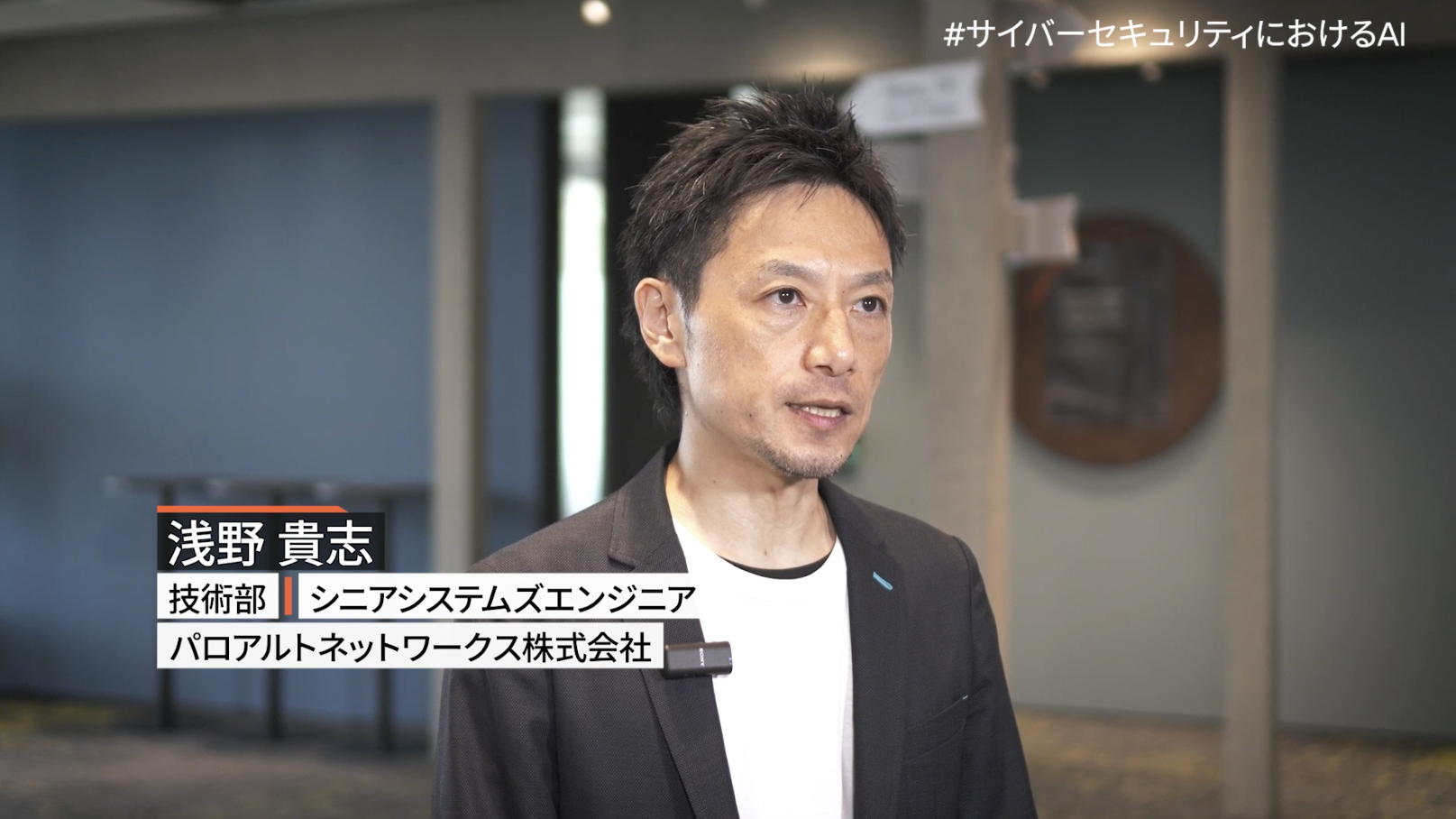
サイバーセキュリティにおけるAIの重要性とは? シニアシステムズエンジニア 浅野 貴志 Thursday, September 26, 2024
-
Learn about CAMP at Palo Alto Networks Troy and Taylor share their experience in our Cybersecurity Accelerated Master Program (CAMP). Monday, October 07, 2024
Career Development
Early Talent
-
Prioritize Mental Health Here’s a look into some of the benefits we offer. Monday, October 07, 2024
Benefits
Culture
-
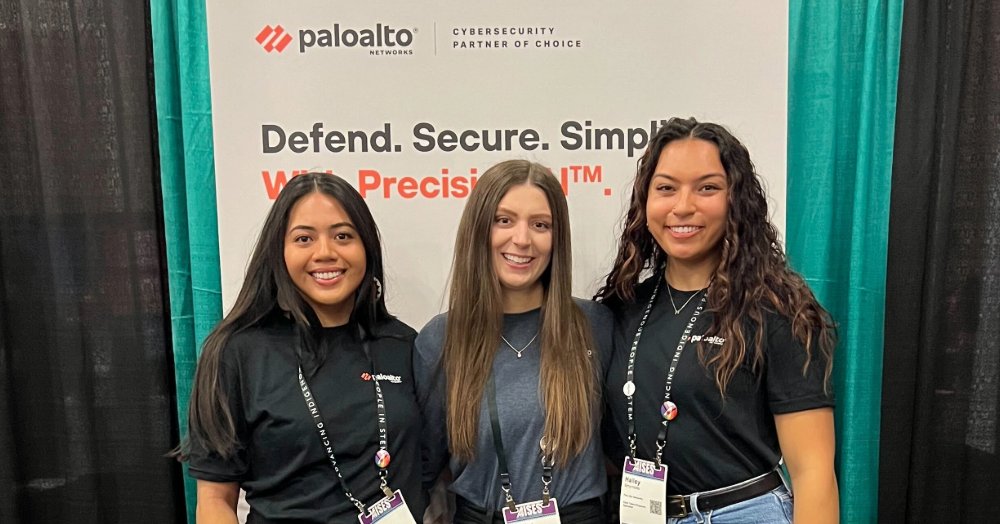
Palo Alto Networks at the AISES Conference Sadie Belton, a member of the Native community and Product Manager at Palo Alto Networks, shares her experience attending AISES this year. Tuesday, October 15, 2024
Early Talent
Inclusion
-
Five Years in Sales at Palo Alto Networks Find out about Magda's experience growing in her career as part of our Sales team in EMEA! Friday, October 18, 2024
Career Development
Culture
-
Embracing Continuous Learning at Palo Alto Networks Shreya shares how she is maximizing every opportunity to learn and make a global impact as part of the team at Palo Alto Networks in India. Wednesday, October 23, 2024
Career Advice
Career Development
Culture
India
-
Peter shares what it's been like to advance in his career at Palo Alto Networks in India Peter reflects on the work environment at Palo Alto Networks in India, where he has found a collaborative culture, an emphasis on continuous learning and development, and a commitment to employee well-being. Thursday, October 24, 2024
Career Development
Culture
India
-
Yitzy celebrates his first year as a senior product marketing manager at Palo Alto Networks On Yitzy's first PANNiversary, he's reflecting on a whirlwind year with our team in Israel. Tuesday, October 22, 2024
Innovation & Impact
Israel
-
Explore Cybersecurity Careers and Jobs at Palo Alto Networks Israel Explore our benefits and culture and search for open jobs in Israel. Tuesday, October 08, 2024
Israel
Culture
-
Join the Cybersecurity Partner of Choice I was always interested in challenging the status quo... Monday, September 23, 2024
Culture
Innovation & Impact
-
The obvious choice: Palo Alto Networks. It only gets better. The company is in innovation, evolution and development mode 24x7x365, which makes every day exciting. Monday, November 04, 2024
Culture
Innovation & Impact
India
-
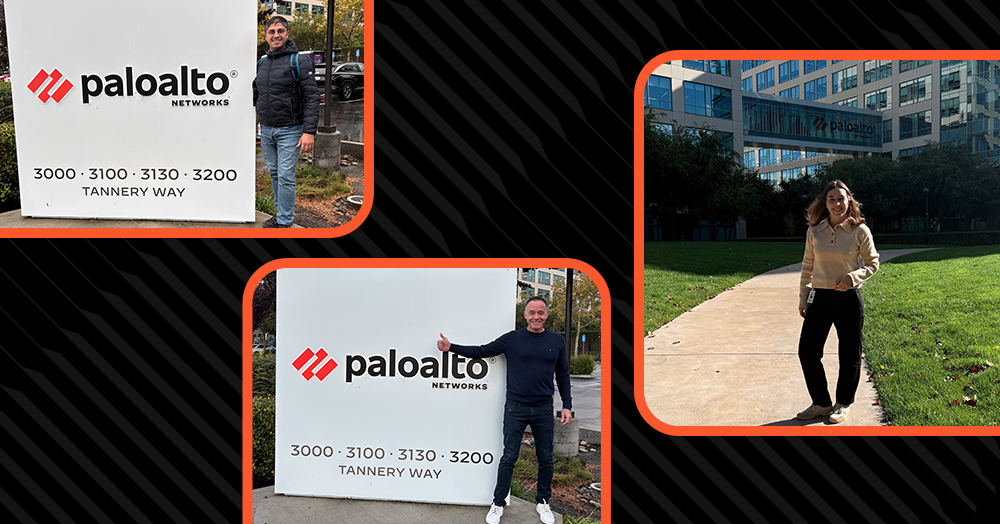
Bruno, Senior Renewals Account Manager, Shares His Onboarding Experience As part of our Sales team in EMEA, Bruno reflects on a week of learning and development at our Santa Clara, California HQ! Wednesday, November 06, 2024
Career Development
Innovation & Impact
-
Meet Bar, Sr. Software Engineer at Palo Alto Networks in Israel "Most people come to the world of programming with biases, they think that it’s monotonous and boring. But when you enter it, you discover a huge abundance of opportunities to learn and deepen your knowledge and a real ability to influence." Thursday, November 07, 2024
Inclusion
Israel
-
"I have never had so much satisfaction with my job as I have now." With the right employer, the right values in the workplace, and truly professional colleagues and managers, what really counts are your qualities and contributions. Tuesday, November 12, 2024
Inclusion
-
A New Career as a Pre-Sales SE at Palo Alto Networks in Japan I am currently employed at Palo Alto Networks as a product pre-sales systems engineer (SE) in the SASE product team. I accompany high-touch sales, conducting activities such as explaining features, demonstrations, technical Q&A sessions, webinars and seminars to customers considering our products. Here’s how I got here. Wednesday, November 13, 2024
Culture
Early Talent
Japan
Career Development
-
Meet Alon, Director, Product Management, Cortex in Israel As a Director, Alon not only influences our product but also directly influences the team he manages. "Just like the customer experience is important to me, the experience of my employees is significant to me during the difficult times we're all going through, and I strive to be there for everyone." Monday, November 18, 2024
Culture
Israel
-
Explore Cybersecurity Careers and Jobs at Palo Alto Networks India Explore our culture and early career opportunities and search for open jobs in India. Friday, October 18, 2024
India
-
Driving Success: Employee Insights on Innovation and Role Flexibility Employees share their experiences being with Palo Alto Networks, highlighting innovation, culture, values, and opportunities for role transitions. The teams are skilled and highly talented, consistently pushing themselves to innovate and achieve more. Thursday, October 31, 2024
-
Path to Talent Check out this overview of our interview process, including number of rounds, technical evaluations, and cultural fit assessments. We emphasize the importance of the candidate experience at Palo Alto Networks, focusing on building long-term relationships rather than just filling positions. Thursday, October 31, 2024
-
Inclusion and Diversity We believe true disruption stems from an inclusive culture and diverse workforce. Our vision is to create an environment where everyone feels valued, respected, and supported to solve the world's toughest cybersecurity challenges. Thursday, October 31, 2024
-
10 Things to Know About Incident Response Careers With Unit 42 From prioritizing continuing education to balancing work and life as a member of Palo Alto Networks Unit 42, Mike has all the inside tips to help you make a decision about joining this team! Thursday, November 21, 2024
Career Development
Culture
Military & Veterans
-
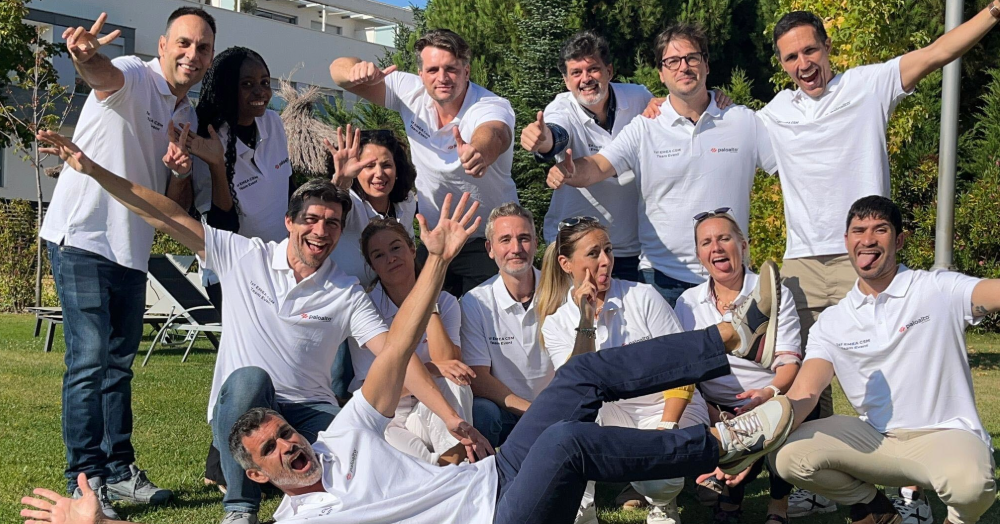
Sergio Reflects on the First EMEA CSM Offsite in Segovia These three days in Segovia had transformed us. We left with more than just plans and strategies for FY25 — we left with a renewed sense of unity, purpose, and determination. Friday, November 22, 2024
Culture
-
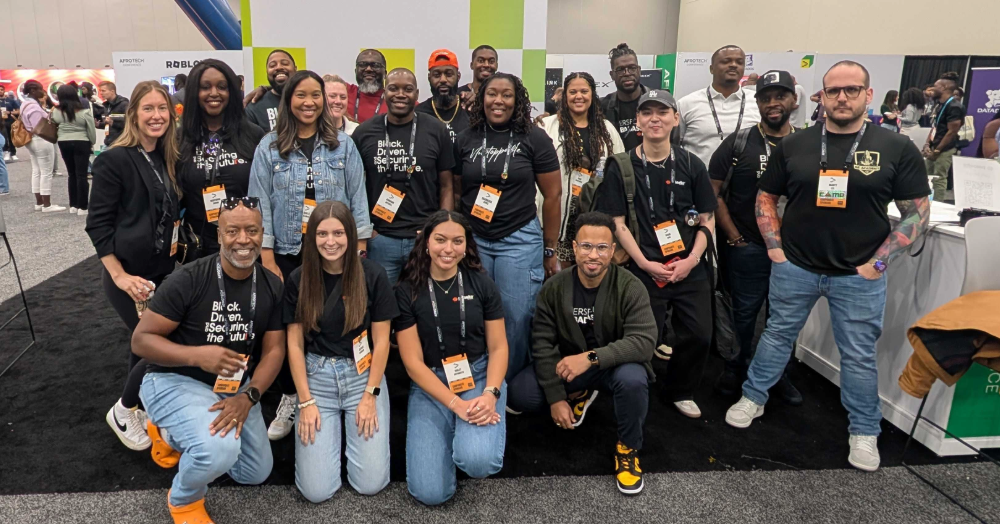
That's a Wrap on AfroTech 2024! What an incredible experience. This third year of Palo Alto Networks sponsoring the global conference, the event brought together over 35,000 Black professionals – a powerful platform for learning and innovation. Monday, November 25, 2024
Inclusion
-
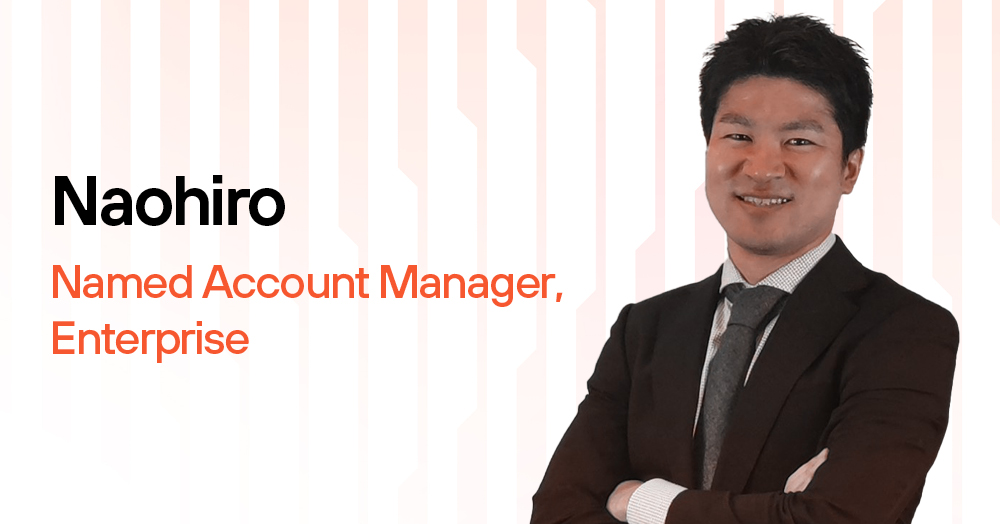
A Supportive Culture at Palo Alto Networks in Japan Naohiro shares his onboarding experience as part of our Sales team in Japan! Tuesday, November 26, 2024
Culture
Japan
Career Development
-
Early-in-Career Inside Look: Identifying and Mitigating Threats with Unit 42 I work on the Proactive Services Team, which focuses on identifying and mitigating threats before they impact organizations. Some highlights from the LEAP early in career program include the opportunity to connect and build meaningful relationships with like-minded colleagues that have since turned into friendships. Monday, December 02, 2024
Early Talent
-
Empowerment and Collaboration on the Palo Alto Networks Japan Sales Team Palo Alto Networks provides an environment where you can learn on the job if you are motivated. The expectations for individuals are high, with a focus on self-driven work, an empowering corporate culture, and ample freedom. Thursday, December 05, 2024
Career Development
Culture
Japan
-
Sylvia Joins the Sales Team in Hong Kong and Makes a Global Impact My team typically works collaboratively, with a strong emphasis on communication and sharing knowledge. This has fostered a supportive environment where we can learn from one another. Monday, December 09, 2024
Career Development
-
Inside Look: 4 Must-Know Facts from an Early-Career Product Manager My name is Mark Mbui, a Product Manager in the Product Management Academy. This unique role allows me to rotate through various teams, giving me the opportunity to understand the customer’s cybersecurity needs to create innovative solutions. Wednesday, November 06, 2024
Career Development
Early Talent
-
Ten Years at Palo Alto Networks In 10 years, I’ve worked across sales, consulting and product development, and that’s been possible due to the variety of opportunities at Palo Alto Networks and the culture of internal mobility. Wednesday, December 11, 2024
Career Development
-
Global Friendships and Continuous Learning on Our Japan Sales Team I find great satisfaction in being able to convey the importance and value of security to our customers. My goal is to make my interactions and Palo Alto Networks’ solutions meaningful and valuable for each customer. Friday, December 13, 2024
Japan
Career Development
Innovation & Impact
-
Tuesday, December 17, 2024
-
Tuesday, December 17, 2024
-
A Dream Opportunity on the Palo Alto Networks France Sales Team Life at Palo Alto Networks has been unlike anything I had experienced before. The pace of evolution here is astounding. The commitment to help our customers build a more secure world is unparalleled. The leadership’s direct involvement in individual deals, the dedication of our product teams to continuously innovate and create safer solutions, and the disruptive approach to driving market innovation have all been incredible to witness. Tuesday, December 17, 2024
Innovation & Impact
-
Solutions Consultant Taylor’s Tips to Take You From College to Career Whether you're about to embark on your first job or have recently taken the leap, I’m sharing some knowledge and tools that I have picked up along the way. Thursday, December 19, 2024
Early Talent
-
A Warm Welcome and Rewarding Work on the Palo Alto Networks Japan Sales Team Working alongside talented engineers globally to protect businesses from cyber threats is an incredibly rewarding role. As a company that is always growing, your career will also develop and improve here. Thursday, January 02, 2025
Career Development
Culture
Japan
-
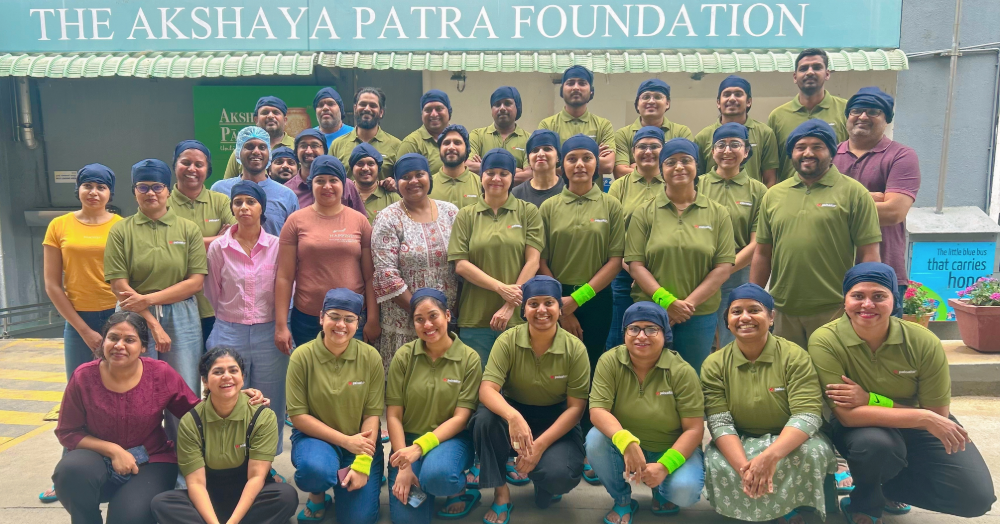
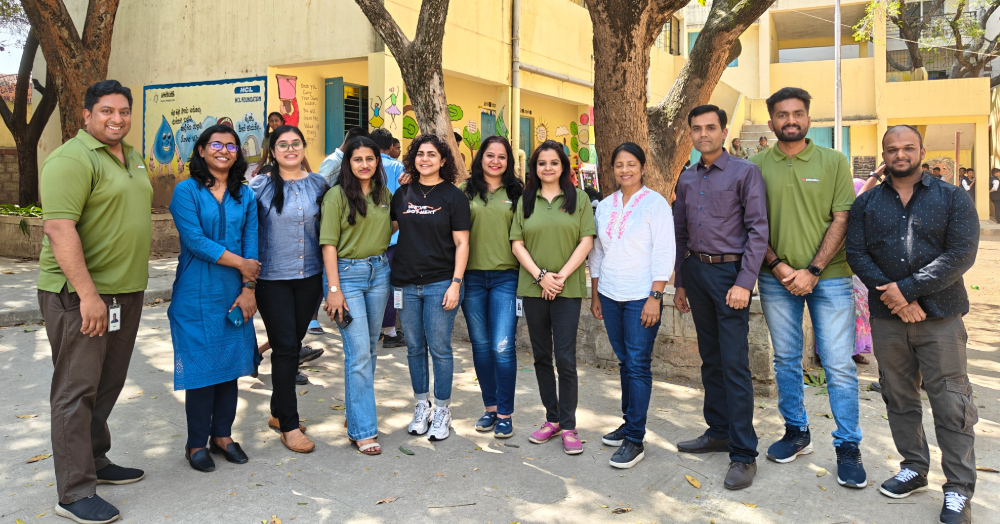
Palo Alto Networks India Volunteering Activity with the Akshaya Patra Foundation The spirit of giving and community displayed by the Palo Alto Networks volunteers was nothing short of remarkable. and we are making a tangible difference in the lives of children across India. Tuesday, January 07, 2025
Corporate Responsibility
India
-
Making Magic Happen Behind the Scenes at Palo Alto Networks Each day is unpredictable, challenging, and full of surprises. Monday, January 13, 2025
Career Development
-
Yusuke Shares Why Palo Alto Networks in Japan is a Great Place to Work I have the opportunity to discuss and receive advice from my direct supervisor to choose the career path that aligns with my aspirations. Wednesday, January 15, 2025
Career Development
Culture
Japan
-
It's Been a Journey of Growth, Learning, and Achievement At Palo Alto Networks, reaching out to anyone is seamless, and there is never any hesitation in offering assistance. The vast resources available, including labs, knowledge articles, and comprehensive documentation, ensures that we have everything we need to up-skill and deliver top-notch solutions to our customers. Tuesday, January 21, 2025
Career Development
India
-
Well-being and career growth at Palo Alto Networks With constant innovation, disruption and growth that pushes all of the organization to deliver the best products and services to our customers, it’s the right place to advance in my professional career. Wednesday, January 22, 2025
Benefits
Culture
-
This DFIR Team Is the Place to Be! We have some of the best people, the best tools and the best process in the industry to be able to respond to various types of incidents with ease. Monday, February 03, 2025
Career Development
-
Fourteen Years of Innovation and Growth With Palo Alto Networks Through various training programs and seminars, my skills and insights have been significantly enhanced. This has helped build a strong and cohesive team, ensuring the continuous growth of individuals, the company, and our clients. Wednesday, February 05, 2025
Culture
Career Development
-
Contractor Positions Check out the Palo Alto Networks Contractor Talent Network to stay up to date on contractor positions. Wednesday, February 05, 2025
-
My Experience Returning to Palo Alto Networks in India Transitioning from a technical role to a sales role has pushed me out of my comfort zone, challenged me to develop new skills, and provided a platform for personal and professional growth. Monday, February 10, 2025
Innovation & Impact
India
-
Innovation and Fulfillment: Two Years with Palo Alto Networks in France If you’re looking for a company that is fast-moving, innovative, and full of positive energy, where you can grow, take on meaningful challenges, and work with incredible people, then Palo Alto Networks is the place to be. Monday, February 17, 2025
Culture
Innovation & Impact
-
From College to Cloud Security: Joining Palo Alto Networks in India Joining Palo Alto Networks as a fresh graduate has been an incredible transition from college to professional life. Monday, February 24, 2025
Innovation & Impact
India
Early Talent
-
Driving Business Impact on a Global Scale I’m fortunate to create and execute programs end-to-end, designed to drive business while enriching Palo Alto Networks positioning and propositions. Tuesday, February 25, 2025
Innovation & Impact
-
Early-in-Career as a Software Engineer at Palo Alto Networks in India It’s this collaborative environment that gives confidence and makes every achievement even more rewarding. Tuesday, March 04, 2025
Early Talent
India
-
Excellence and Opportunity at Palo Alto Networks in France Innovation, pace, excellence in execution, and a culture of questioning are part of our daily lives at Palo Alto Networks, which helps us maintain our position as a leader in the highly competitive cybersecurity market. Wednesday, March 05, 2025
Innovation & Impact
Inclusion
-
Experiencing the Palo Alto Networks Executive Briefing Center Emine shares her experience as part of our EMEA Sales team in Turkey! Thursday, March 06, 2025
Innovation & Impact
-
From Engineer to People Manager at Palo Alto Networks in Spain I started with Palo Alto Networks three years ago and in all this time I’ve seen my team double every year with talented engineers and best of all, great people. Monday, March 10, 2025
Innovation & Impact
-
Cybersecurity Innovation and Global Impact at Palo Alto Networks in Israel I always viewed Palo Alto Networks as an industry leader, so being part of this operation and contributing to its development feels amazing. Tuesday, March 11, 2025
Innovation & Impact
Israel
-
From Intern to Full-Time Software Engineer at Palo Alto Networks India From day one, I was lucky to be part of some crucial projects. These projects weren't just tasks on a to-do list; they were real opportunities to dive deep, learn, and grow. Thursday, March 13, 2025
India
Early Talent
-
Sales Onboarding: From Sweden to Santa Clara, California It has been an incredible journey at Palo Alto Networks, including four weeks of onsite training at our headquarters in Santa Clara. Monday, March 17, 2025
Innovation & Impact
-
A Rewarding First Year with Palo Alto Networks in France In just one year, I’ve gained extensive knowledge about our solutions and taken a significant step into the vast cybersecurity industry. This role combines my passion for staying ahead of new trends and assisting customers in securing their environments. Tuesday, March 18, 2025
Innovation & Impact
-
From Partner to Vendor: Joining Palo Alto Networks I chose to join Palo Alto Networks at an inflection point in my career. It was a chance to focus on my passion for cybersecurity and work for what I believe is the best company in the industry. Monday, March 24, 2025
Career Development
Innovation & Impact
-
Teamwork, Guidance, and Innovation at Palo Alto Networks Gary shares his experience joining Palo Alto Networks as a systems engineer two years ago, where he is now a solutions consultant on the Greater China Sales team. Thursday, March 27, 2025
Culture
-
Internal Mobility Spotlight: Chen Moves Into People Management in Singapore As an individual contributor, I was focused primarily on my own tasks. Now, I'm responsible for the success of the entire team, which means I'm involved in a wider range of projects and initiatives. Tuesday, April 01, 2025
Career Development
-
Intern to Full-Time Engineer at Palo Alto Networks in India Transitioning from an intern to a full-time engineer has been filled with incredible learning opportunities and exciting experiences. Thursday, April 03, 2025
Early Talent
India
-
Shaping the Future of Cloud Security at Palo Alto Networks To me, joining Palo Alto Networks was about more than just a career move; it was about becoming part of the future of cybersecurity. Friday, April 04, 2025
Innovation & Impact
-
インクルーシブな職場環境を作る上で重要な秘訣について語ります。 代表取締役会長兼社長 アリイ・ヒロシ Thursday, September 26, 2024
Inclusion
-
From Secure the Future Competition Finalist to Palo Alto Networks Associate Systems Engineer The annual Palo Alto Networks Secure the Future Competition is a launchpad for emerging cybersecurity leaders. From hundreds of talented students, the top 10 finalists showcase their remarkable skills and present their solutions to industry leaders at our headquarters in Santa Clara, California. Monday, January 06, 2025
Corporate Responsibility
Early Talent
-
Joining the Palo Alto Networks Germany Sales Team The onboarding process has been nothing short of exceptional. Palo Alto Networks has made a significant investment in us as new employees, ensuring we are thoroughly equipped to deliver value to our customers and partners from day one. Wednesday, April 09, 2025
Culture
-
Supporting Employees on a Mission That Matters Our company is dedicated to protecting organizations and individuals from cyberthreats, ensuring their digital safety and security in an increasingly interconnected world. My job is to support the employees who make this happen, which I find just as important! Monday, April 14, 2025
Innovation & Impact
-
Incident Response Careers with Palo Alto Networks Unit 42 Incident Response Services involve providing rapid and effective support to organizations facing cybersecurity incidents, including investigation, containment, eradication, and recovery to minimize damage and restore normal operations swiftly. Tuesday, April 15, 2025
Career Development
Japan
-
Rewarding Work and Ongoing Innovation at Palo Alto Networks Stepping into my new role, I felt an immediate sense of purpose, knowing that my work would contribute directly to enhancing cybersecurity for our customers. Wednesday, April 16, 2025
Innovation & Impact
-
Empowering India's Cybersecurity Future Palo Alto Networks is committed to strengthening cybersecurity expertise in India through its flagship program, SecurED - a Cybersecurity Faculty Development Program. Monday, April 21, 2025
Corporate Responsibility
Innovation & Impact
India
-
Palo Alto Networks Returns to WiCyS as a Proud Founding Member and Premium Sponsor Two of our employees who attended the conference share their experiences being part of this incredible event: Tuesday, April 22, 2025
Early Talent
Inclusion
Corporate Responsibility
-
Growth, Change, and a Global Perspective at Palo Alto Networks Eight years ago, I walked into the Palo Alto Networks Singapore office as an Inside Sales Leader for Greater China, JAPAC, eager to contribute and grow. Little did I know that this journey would take me across two continents, three roles, and a global scope—all while shaping my career and perspective. Thursday, May 01, 2025
Career Development
Culture
-
Living Our Values at P.I.E.F.E.S.T. Volunteering at P.I.E.F.E.S.T., a non-profit organization that was founded in South San Francisco, California by Pacific Islander parents in search of a community within STEAM, has become a meaningful way for us to give back. Friday, May 02, 2025
Inclusion
Corporate Responsibility
-
Six Years at Palo Alto Networks in France Nathalie shares what it's been like to be part of the Sales team in France for six years, and why she has been impressed by the company's commitment to both customer success and employee growth! Tuesday, May 06, 2025
Inclusion
Career Development
Culture
-
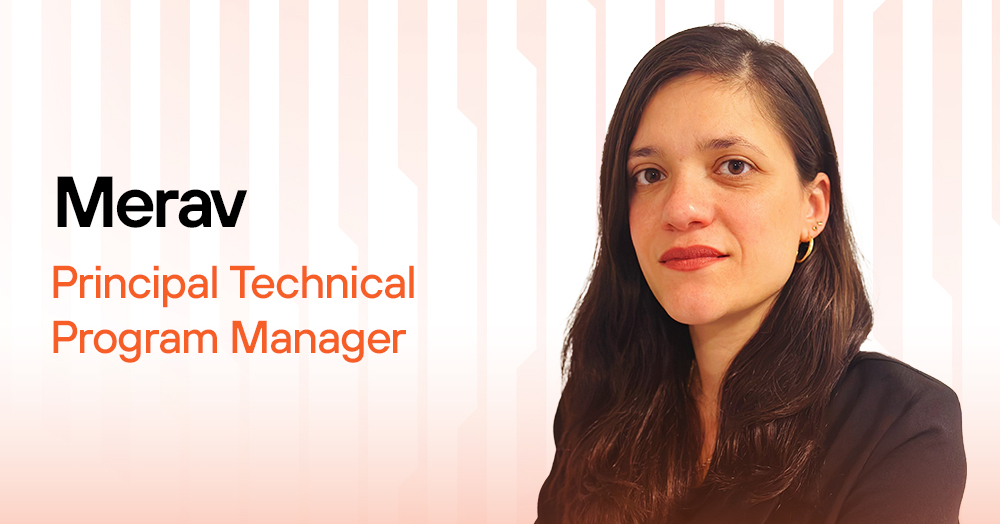
Meet Principal Technical Program Manager and Musician, Merav Principal Technical Program Manager Merav is responsible for everything related to the management of effective work processes in the development group -- and she is also a particularly talented musician and bassist! Wednesday, May 07, 2025
Culture
Israel
-
Meet Gilbert, Domain Consultant at Palo Alto Networks in Germany My path into the cybersecurity world was certainly very unusual, but it has led me here to Palo Alto Networks after many years in the IT industry. Thursday, May 08, 2025
Career Development
Innovation & Impact
-
Rachel Shares Career Advice and Inspiration for Early-in-Career Professionals Meet Rachel, a Sr. Staff Engineer, Software. She’s reflecting on her experience having participated in the Palo Alto Networks internship program, what – or who – inspires her, and the advice she would give the earlier-in-career version of herself! Here’s what she shares: Monday, May 12, 2025
Early Talent
Employee Network Group
Career Advice
-
14 Years of Growth at Palo Alto Networks When Geo joined Palo Alto Networks 14 years ago, he was the fourth SE hired for the New York tri-state area. He started on the majors as an SE, later moving to the enterprise team as an SE 2 and then on to Senior Systems Engineer. On his 14th PANniversary, Geo reflects on his experience recently moving into a leadership role. Wednesday, May 14, 2025
Career Development
-
Giving Back with Purpose: Volunteering with Palo Alto Networks India We had the meaningful opportunity to volunteer with Akshaya Patra, a non-profit organization dedicated to eliminating childhood hunger and supporting education through the distribution of nutritious school meals. Monday, May 19, 2025
Corporate Responsibility
India
-
Tuesday, May 20, 2025
-
Providing Technical Expertise and Guidance on the Pre-Sales Team Catherine shares how she is supported to grow her skills and career as a pre-sales engineer at Palo Alto Networks in EMEA. Wednesday, May 21, 2025
Innovation & Impact
Career Development
-
Friday, May 09, 2025
-
A Strong Start to My NetSec Career at Palo Alto Networks in India Aryan shares what it was like to join our team as an intern in India, and how he is thriving and driving innovation today as a full-time research engineer! Monday, June 02, 2025
Early Talent
India
-
Palo Alto Networks Singapore: Bringing Wellness to Life with a Smoothie Station This transformation is more than a pantry makeover — it’s a reflection of a culture that prioritizes well-being, sustainability, and innovation. Tuesday, June 03, 2025
Benefits
Culture
-
Growth, Success and Empowerment with Palo Alto Networks Sales in Dubai Joining the Palo Alto Networks Sales team two years ago, I immediately felt the power of a unique culture. It’s a place where innovation thrives and collaboration is at the heart of everything we do. Thursday, June 05, 2025
Career Development
-
Technical Account Manager Alma is Encouraged to Make a Difference Alma is a Technical Account Manager, charged with ongoing customer satisfaction and technical response at Palo Alto Networks Unit 42 – and she also does important work as a volunteer with girls and young women in the community. Monday, June 09, 2025
Culture
Corporate Responsibility
Israel
-
Q&A with Ananya, Senior Recruitment Business Partner Ananya, Senior Recruitment Business Partner at Palo Alto Networks, shares insights on career growth, company culture, and making an impact in cybersecurity. Thursday, June 12, 2025
Career Advice
-
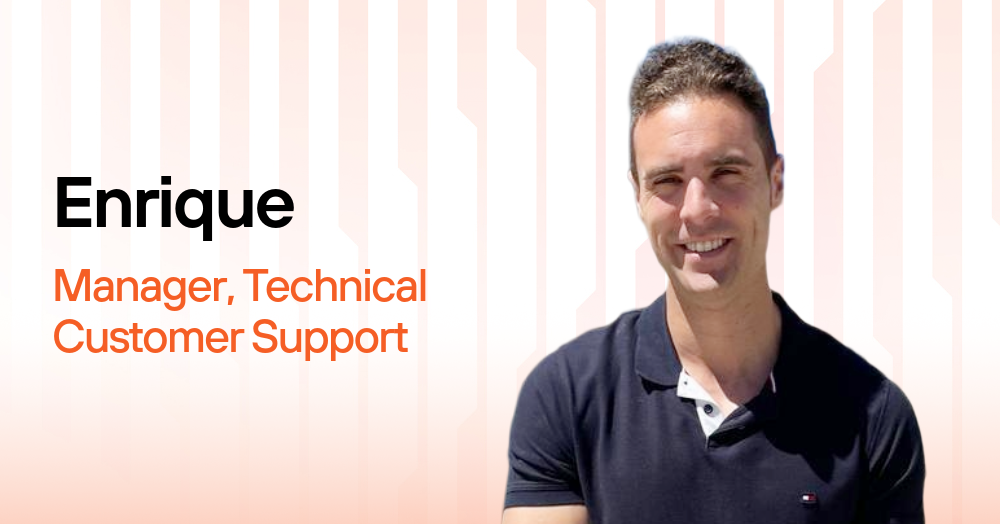
Engineer to Manager at Palo Alto Networks: Enrique's Perspective As the team grew, so did my commitment. Naturally, I started mentoring and supporting new engineers. I discovered that this was one of the most rewarding aspects of my job: helping others integrate, learn, and feel part of something bigger. Tuesday, June 17, 2025
Career Development
Culture
-
Our Mission in Action: CyberSafe Juniors at Palo Alto Networks in India Our Bangalore office came alive with laughter, curiosity, and discovery as we hosted CyberSafe Juniors — our first-ever Bring Your Kids to Work event in India. We welcomed 140 children for a fun-filled, interactive day designed to build cyber awareness among the next generation with Cyber A.C.E.S. Wednesday, June 18, 2025
Corporate Responsibility
India
-
My Journey from the Royal Air Force to Solutions Consultant at Palo Alto Networks I joined a fantastic team of like minded people, later realising I had been missing something from my last two jobs since leaving Service life - the connection/bond you get from working in the military. Palo Alto Networks goes one step further, and has an Employee Network Group for veterans. Tuesday, June 24, 2025
Employee Network Group
Military & Veterans
-
Palo Alto Networks Senior Product Manager Nico Shares Advice for Early Talent The more you learn about different areas of the business, the easier it becomes to drive significant outcomes. Ask questions, explore, and take the time to build a strong foundation. Tuesday, July 01, 2025
Career Advice
Early Talent
-
Making a Global Impact and Growing My Sales Career at Palo Alto Networks in Italy My passion for innovation found a perfect home on the Sales team at Palo Alto Networks, a company with a clear, disruptive mission and a crucial channel-centric strategy that resonated deeply with me from day one. Monday, July 07, 2025
Career Development
Innovation & Impact
-
Palo Alto Networks Singapore Welcomes Employees' Families for a Day of Learning and Fun The Palo Alto Networks Singapore office was filled with energy, curiosity, and tiny footsteps as we hosted our Bring Your Kids to Work Day — designed to give our kids a peek into the professional world their parents are part of and spark their imaginations about future careers. Tuesday, July 08, 2025
Culture
Corporate Responsibility
-
Marc Reflects on Joining the Palo Alto Networks Sales Team in Germany Witnessing the company’s commitment to investing in its people, with the Flight Sales onboarding program as a prime example, was truly impressive. Thursday, July 10, 2025
Career Development
-
Gilad Shares What It's Like to Grow a Cybersecurity Career with Palo Alto Networks Unit 42 Israel Gilad shares how the skills he honed as a tennis player translate to his work with Palo Alto Networks Unit 42, where he has found professional and personal growth as a team manager in Israel. Tuesday, July 15, 2025
Israel
Career Development
-
Making a Difference Through Data on the Palo Alto Networks EMEA Sales Team Palo Alto Networks’ mission to secure the digital world really aligns with my goal of making a difference through data. What resonates with me the most is the focus on staying ahead of challenges and always innovating. Monday, August 04, 2025
Career Development
Employee Network Group
Inclusion
Innovation & Impact
-
My Systems Engineering Internship at Palo Alto Networks Kate reflects on her systems engineering internship at Palo Alto Networks in California. From learning how to create effective demos to an SE bootcamp and more, here are the highlights of her summer with us in Santa Clara. Tuesday, August 12, 2025
Early Talent
-
Christian Shares What It's Like to Join the Palo Alto Networks Sales Team in Germany The experience made one thing crystal clear: this is not just an investment in new hires; it's a strategic move to solidify our position as the market leader in cybersecurity. Wednesday, August 20, 2025
Career Development
-
Meet Bob, a Senior Principal Security Researcher - AI / LLM at Palo Alto Networks This is also exactly what I was looking for in terms of not only enjoying what I do but getting down in the weeds with generative AI. With that experience under my belt I feel like I have leveled up in terms of the skill set and tool chains I can use to build novel solutions to the difficult and nuanced problems we encounter with malware RE, attack detection, and threat attribution. Thursday, August 21, 2025
Career Development
Innovation & Impact
-
Onboarding is a Launchpad for Success on the Palo Alto Networks EMEA Sales Team Patty, Regional Sales Manager in EMEA, shares what you can expect in our immersive onboarding program, like hands-on learning, deep enablement, and of course, collaboration with colleagues all over the world. Sunday, August 24, 2025
Career Development
-
Growth and Gratitude: Five Years in Pre-Sales Engineering at Palo Alto Networks I’m incredibly grateful to Palo Alto Networks for providing me with the space to not only grow professionally but also to understand myself better and how I want to approach my career. The culture here is one of constant curiosity, and it’s inspiring to work in an environment where everyone is passionate about cybersecurity and staying ahead of the curve as a market leader. Tuesday, August 26, 2025
Innovation & Impact
Career Advice
Career Development
-
Major Account Manager Annabelle Joins Palo Alto Networks in the UK I’ve just returned from two incredible weeks at Palo Alto Networks HQ in Santa Clara, California... and I’m still buzzing from the experience. It was intense, inspiring, and hands down one of the best learning experiences of my career. Wednesday, September 03, 2025
Career Development
-
Palo Alto Networks Recognized Among TIME's World's Most Sustainable Companies 2025 We are proud to share that Palo Alto Networks has been named one of TIME's World's Most Sustainable Companies for 2025! This recognition underscores that our vision for a safer and more secure world is strengthened by sustainability and responsible business practices. Thursday, September 04, 2025
Corporate Responsibility
Innovation & Impact
-
Palo Alto Networks India Welcomes New Graduates Their journey with us begins through LEAP, our program designed to help early talent grow fast, gain hands-on experience, and shape the future of cybersecurity. Monday, September 08, 2025
Early Talent
India
-
Meet Alexis, a Product Manager in the United States Alexis recently celebrated two years as a Product Manager at Palo Alto Networks, where she is currently part of our NetSec R&D team in California. She shares her career advice, why this is the place to learn and grow, and who inspires her! Tuesday, September 09, 2025
Career Advice
Early Talent
-
Wendy Shares Her Experience Attending HITEC: From Sala to Success Find out more about Wendy's opportunity to attend a conference that brings together Latinos of different backgrounds! Monday, September 15, 2025
Early Talent
Employee Network Group
Inclusion
-
Returning to the Palo Alto Networks Sales Team in Italy This constant drive toward the future has had a strong impact on me as well: it has shaped the way I work, the way I engage with customers, and the way I tackle market challenges. Tuesday, September 16, 2025
Innovation & Impact
Career Development
-
Stefania Grows Her Pre-Sales Engineering Career at Palo Alto Networks What I found here was the perfect environment to grow. In just three years, I’ve gone from the graduate program to supporting the commercial sector to becoming a Solutions Consultant for major financial institutions in the UK. Wednesday, September 24, 2025
Career Development
Early Talent
Innovation & Impact
-
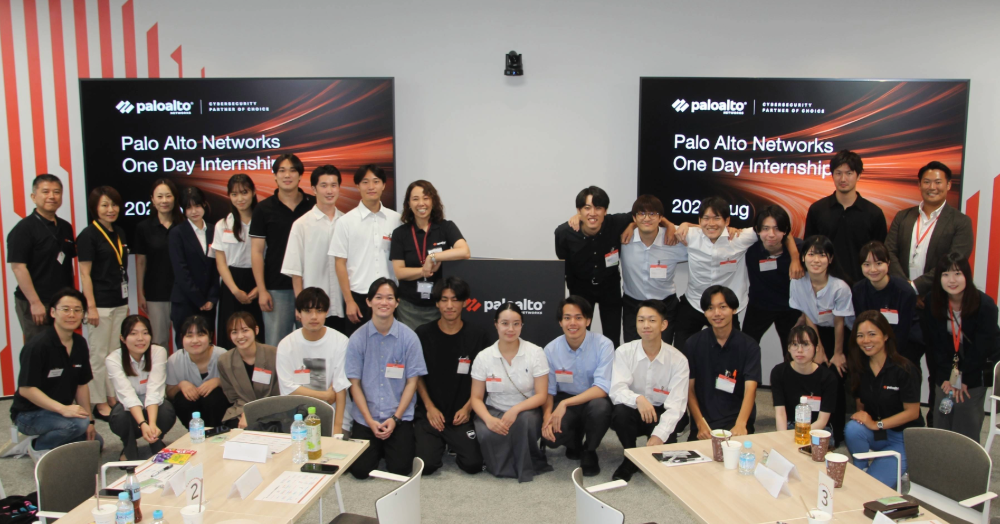
Palo Alto Networks Japan Hosts "One Day Internship" Event to Inspire Students Twenty-three undergraduate and graduate students from 16 universities participated in this event focused on helping students to develop interest in cybersecurity jobs in Japan. Monday, September 29, 2025
Early Talent
Japan
-
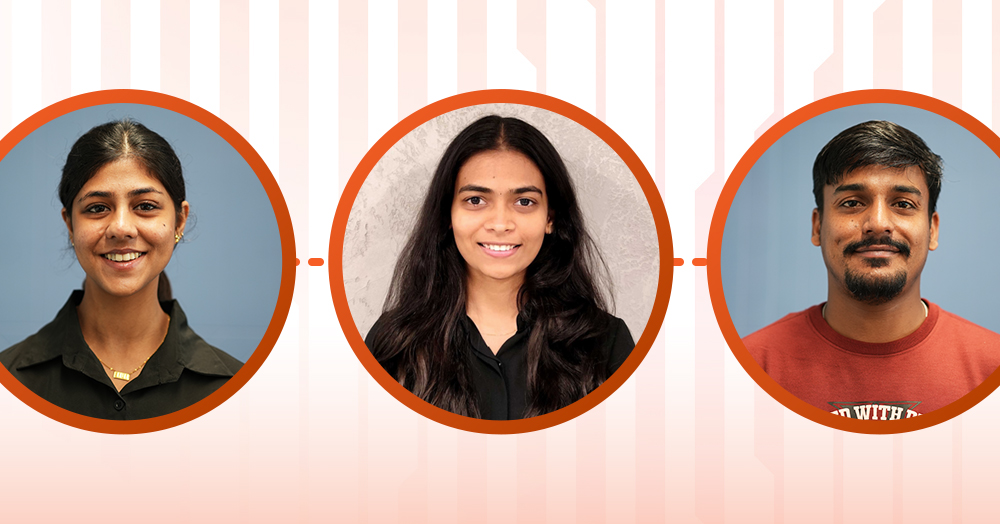
Meet Three Palo Alto Networks India Internship Program Graduates Three talented interns from our India team have officially joined us as full-time employees. Check out their stories of learning, growth, and how they found their full-time home at Palo Alto Networks. Friday, October 03, 2025
Early Talent
India
-
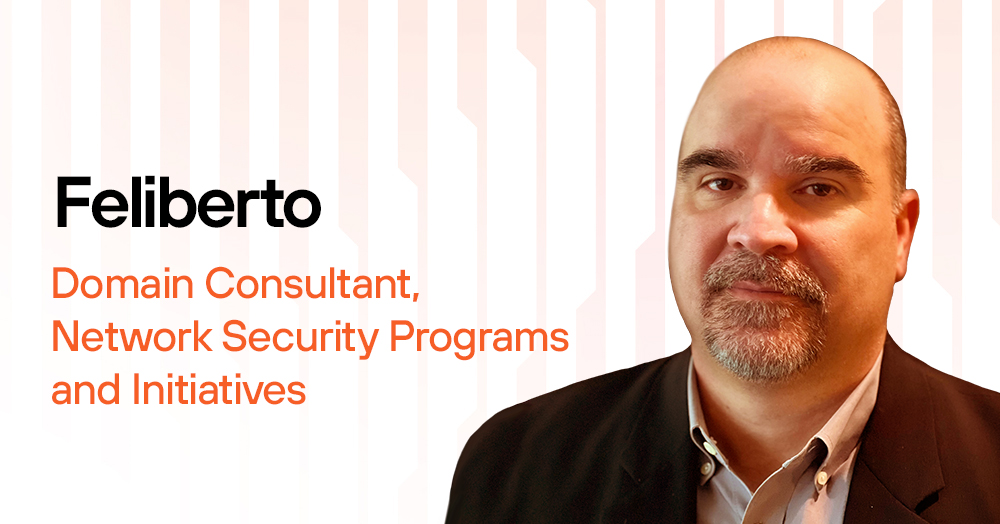
From Systems Engineer to Domain Consultant: 10 Years with Palo Alto Networks A successful career isn't just a ladder; it's a journey of continuous growth, and at Palo Alto Networks, that journey can take you to incredible places. Monday, October 06, 2025
Career Development
-
Sweet Success: Meet Three Bakers on the Palo Alto Networks Israel Team From securing networks to mastering sourdough and pastries, our team has some sweet talents! We caught up with Romi, Ben, and Moshik in at Palo Alto Networks in Israel to learn about their passion for baking. Wednesday, October 08, 2025
Culture
Israel
-
Tips from a Sr. Recruiter at Palo Alto Networks Amy shares what stands about Palo Alto Networks as an employer, and few things that can make a difference for candidates who are considering applying for careers here. Tuesday, October 14, 2025
Career Advice
-
From Onboarding to Upgrading: My One-Year Journey at Palo Alto Networks At Palo Alto Networks, we don’t just protect infrastructure — we grow people too. Excited for this next chapter, helping our customers stay secure while building strong partnerships across the region. Thursday, October 16, 2025
Career Development
-
Three Years Growing My Sales Engineering Career at Palo Alto Networks I’ve grown from finding my footing in sales engineering to helping some of the world’s largest organizations secure their cloud environments. Wednesday, October 22, 2025
Career Development
Innovation & Impact
-
From LEAP to Program Management: Shaping Cybersecurity Talent at Palo Alto Networks Jessica shares her journey of over five years at Palo Alto Networks, highlighting how our culture fosters new skills and the exploration of AI. Wednesday, October 29, 2025
Career Development
Early Talent
-
Growing My Sales Career with Palo Alto Networks in Italy My four years with the channel have been incredibly rewarding, inspiring me to raise the bar constantly. Now, I'm excited to embark on a new chapter as Major Account Manager for the Industries Sector. This move is a testament to a company that truly recognizes talent, embraces individuality, and fosters an environment where boredom simply doesn't exist. Thursday, October 30, 2025
Innovation & Impact
Career Development
-
Strengthening Our Partnership with the Akshaya Patra Foundation in India Our Bangalore team recently hosted The Akshaya Patra Foundation for a unique day of collaboration - combining a tailored cybersecurity workshop for their leadership team. Tuesday, November 04, 2025
Corporate Responsibility
India
-
Major Account Manager Anne Conquers Germany's Highest Peak Here's why that experience got her thinking about her work at Palo Alto Networks. Thursday, November 06, 2025
Benefits
Culture
-
The Military Was the Best Preparation for My Sales Engineering Career Shanikqua shares why the transition from military service to Sales Engineering was a natural evolution of skills she had been sharpening for years. Friday, November 07, 2025
Military & Veterans
Career Development
-
Chris Celebrates One Year Making a Difference with the Public Sector Team in Germany I work closely with the most critical organizations in my home country, and in the most forward looking way possible. I am able to solve modern challenges with the newest innovations from Palo Alto Networks... Wednesday, November 12, 2025
Career Development
-
From Intern to Seller: How Palo Alto Networks Invests in Early Career Success Since then, my goal has been clear: to absorb as much knowledge as possible and give 100% effort every single day. Palo Alto Networks has continuously supported that goal by investing heavily in my early career development. From comprehensive training programs to networking opportunities and resources that help me stay ahead in a fast-evolving tech landscape. Thursday, November 13, 2025
Career Development
Culture
Early Talent
Innovation & Impact
-
My First Year as an Associate Systems Engineer at Palo Alto Networks A conversation with a rising star from the Systems Engineering Academy on accelerated growth, real-world impact, and the power of an AI-enabled culture. Monday, November 17, 2025
Career Development
Early Talent
Innovation & Impact
-
From Apprentices to Full-Time Employees: Looking to the Future in India Meet five full-time employees who began their Palo Alto Networks journeys as apprentices. Find out what's next for them as they reflect on mentorship and the values that shaped their experiences. Thursday, November 20, 2025
Early Talent
India
-
The Courage to Evolve: My Journey into Cybersecurity Transitioning into cybersecurity wasn’t just a career move; it was an evolution of purpose. Joining Palo Alto Networks marked a defining moment in my journey. I entered an environment that recognizes potential, nurtures ambition, and empowers people to grow beyond their starting point. Monday, November 24, 2025
Career Development
-
From LEAP to Leadership: Six Years with Palo Alto Networks We sat down with Kaelan, a Technical Solutions Manager at Palo Alto Networks, to talk about how the LEAP program launched his career, how he stays on the cutting edge of AI, and what he’s doing now to help mentor the next generation of talent. Monday, December 01, 2025
Career Development
Early Talent
-
Volunteering at Palo Alto Networks: Technical Operations Team Supports Veterans Palo Alto Networks is among the Top Most Loved Workplaces® For Volunteering in 2025. Technical Operations Specialist Kyle Campbell shares how his teammates recently gave back to veterans in their community. Tuesday, December 02, 2025
Military & Veterans
Corporate Responsibility
-
Kristin, Nicola, and Stephan Join Our Team in Germany Find out what it's like to work at Palo Alto Networks in Germany starting with our FLIGHT onboarding program. Kristin, Nicola and Stephan share their experiences joining our global Sales team. Explore opportunities for tech sales professionals and pre-sales systems engineers at Palo Alto Networks! Thursday, December 04, 2025
Career Development
Culture
-
Competing to Win, Growing with Purpose, and Putting Customers First I started here as a Corporate Sales Intern and worked my way through BDR, SMB seller, and now Commercial Field Seller - a path shaped by my competitive drive, my love for building meaningful relationships, and a commitment to giving 100% in everything I do. Wednesday, December 10, 2025
Career Development
Early Talent
-
From Customer Success to Service Delivery Lead: Growing My Career in Spain To anyone considering joining Palo Alto Networks, or looking for a company where their career can truly scale: the potential for growth here is limitless. The opportunities in our region are vast, and the company culture will consistently push you to embrace new challenges. Thursday, December 11, 2025
Career Development
-
Working at Palo Alto Networks in India: Culture, Growth and Innovation What makes a career at Palo Alto Networks truly meaningful? We asked our team in India, and the answers point to a unique blend of challenging work, cutting-edge technology, and a profoundly supportive culture. Monday, December 15, 2025
Culture
India
-
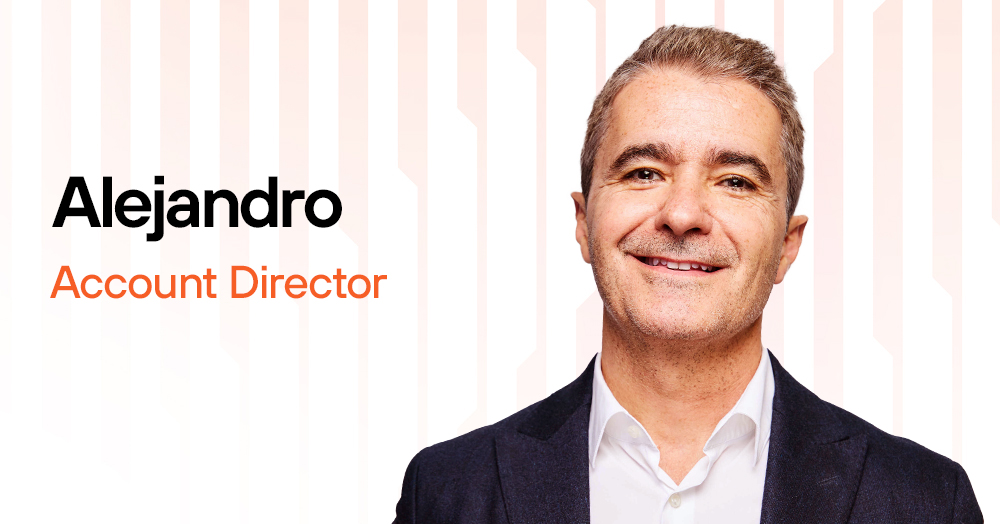
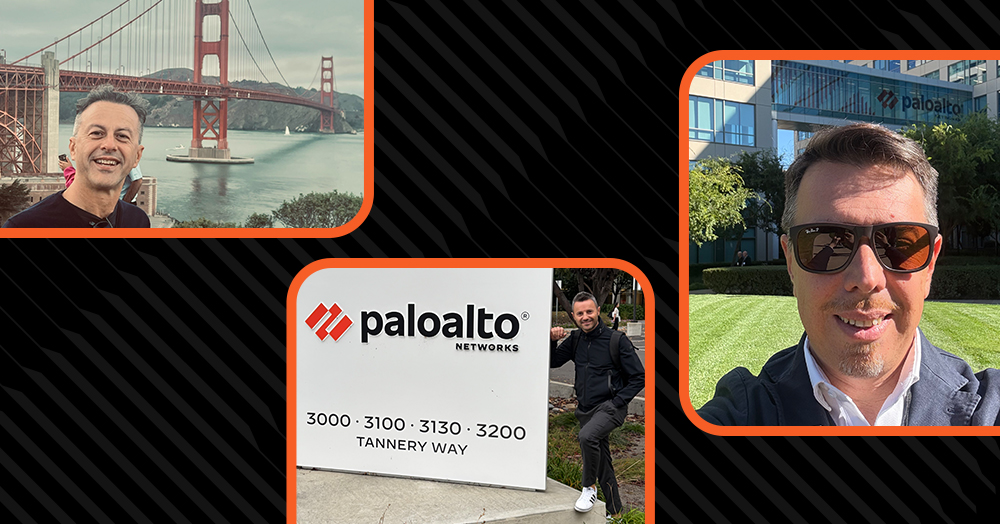
What It's Like to Be Part of the Palo Alto Networks Sales Team in EMEA: Innovation, Growth, Making a Meaningful Impact Together Alejandro joined Palo Alto Networks in Spain over eight years ago. Today, he shares that the challenges, innovation, and shared mission to protect the digital world continue to inspire him! Find out about the culture and opportunities on this growing Sales team in EMEA. Wednesday, December 17, 2025
Innovation & Impact
Culture
-
Architecting Success: Opportunity and Impact in Cybersecurity Sales at Palo Alto Networks Meet Joshua, a Territory Sales Manager who has experienced firsthand the power of our innovative culture and the impact he makes every day. He shares his journey, his work, and what keeps him driven. Monday, December 22, 2025
Career Development
Culture
Innovation & Impact
-
Shaping What's Next in Cybersecurity at the Palo Alto Networks India Development Center From securing AI runtimes to using GenAI for smarter productivity, our engineers are solving the world’s toughest cybersecurity challenges with curiosity and rigor. At Crucible, good ideas aren't limited by title or tenure. It’s all about collaborative building, questioning assumptions, and being determined to make a difference. Monday, December 29, 2025
Innovation & Impact
India
-
Find Out What It's Like to Join Our Global Sales Team in Italy At Palo Alto Networks, we often say that you will do the most impactful work of your career here. But that impact doesn't start months into the job—it begins the moment you join our global community. Hear from Andrea, Daniele, and Gianfranco as they share their takeaways from an unforgettable week at HQ and prepare to bring that energy back to their roles in Italy. Tuesday, January 06, 2026
Career Development
-
Accelerating Your Sales Career at Palo Alto Networks: Devon's Story Looking for sales career growth? Read Devon's story about the training, trust, and responsibility that makes Palo Alto Networks a top destination for sales professionals. Wednesday, January 07, 2026
Career Development
Culture
-
My First Six Months: Leading with Purpose at Palo Alto Networks How do you find your "why" in cybersecurity? Matthias shares his journey as a Domain Consulting Manager and how we invest in leadership at Palo Alto Networks. Tuesday, January 13, 2026
Culture
Innovation & Impact
-
Joko's Career Switch Story: Joining Palo Alto Networks | Securing the Future Read Joko's story on transitioning from Commercial Sales to a Regional Sales Manager role at Palo Alto Networks. Learn about our cybersecurity culture, internal growth, and more. Wednesday, January 14, 2026
Culture
Innovation & Impact
Career Development
-
FLIGHT Onboarding: Starting a Cybersecurity Sales Career at Palo Alto Networks Germany Recently, Theodora (Major Account Manager) and Sascha (Regional Sales Manager) traveled from Germany to our U.S. headquarters to complete a pivotal week of onboarding. They share their firsthand experiences of the spirit, scale, and energy that define the first few weeks at Palo Alto Networks. Tuesday, January 20, 2026
Career Development
-
Pivoting with Purpose: A Multi-Path Career Journey at Palo Alto Networks From Intern to Field Marketing to Mid-Market Account Manager—read how Emily navigated her career pivots and internal growth at Palo Alto Networks. Wednesday, January 21, 2026
Career Development
Innovation & Impact
-
Speed, Impact, Ownership: What It’s Like Being a Regional Sales Manager at Palo Alto Networks UAE Regional Sales Manager Alaa reflects on two years at Palo Alto Networks. Learn about our high-pace culture, leadership ownership, and the impact of a career with the cybersecurity partner of choice. Monday, January 26, 2026
Culture
Career Development
-
The Discipline of Defense: How an MDR Analyst Trains for Success at Palo Alto Networks Unit 42 Palo Alto Networks Unit 42 MDR Analyst Matan shares how the supportive culture at Palo Alto Networks helps him pursue his dream of becoming a champion natural bodybuilder. Wednesday, January 28, 2026
Culture
Israel
-
Mission Accomplished: Completing the FLIGHT Onboarding Journey Regional Sales Manager Tuomas reflects on completing the 8-week FLIGHT onboarding program at Palo Alto Networks, from technical deep-dives to preparing to support the Finnish Public Sector. Thursday, January 29, 2026
Career Development
-
BJ Shares His Academy Systems Engineer Experience in CAMP at Palo Alto Networks Academy Systems Engineer BJ shares his journey through the CAMP program at Palo Alto Networks, from hands-on labs to mastering cybersecurity platform strategy. Monday, February 02, 2026
Career Development
Early Talent
-
Why I Boomeranged: Returning to the Mission at Palo Alto Networks Major Account Manager Jens shares why he returned to Palo Alto Networks after working at a global hyperscaler, focusing on platform strategy and Zero Trust. Tuesday, February 03, 2026
Culture
Innovation & Impact
-
From Solutions Consultant to SASE Expert: Matt’s Five-Year Journey in Australia SASE Domain Consultant Matt reflects on his five-year career at Palo Alto Networks Australia, sharing insights on internal mobility and moving into a DC role. Thursday, February 05, 2026
Career Development
-
From BDR to Territory Sales Manager: Trevor’s 4-Year Journey of Impact Territory Sales Manager Trevor reflects on 4 years at Palo Alto Networks. Learn how he transitioned from a BDR to a Territory Lead through mentorship and AI innovation. Tuesday, February 10, 2026
Career Development
Innovation & Impact
-
Cybersecurity Lessons from the Padel Court Luis, District Sales Manager / Country Lead for Portugal at Palo Alto Networks, explains why integrated platform strategy beats isolated tools using the metaphor of padel. Wednesday, February 11, 2026
Innovation & Impact
-
More Than Just a Role: How Palo Alto Networks Became My Place Sabine, Major Account Manager in the UAE, reflects on her 2-year journey at Palo Alto Networks—from her technical engineering roots to her promotion in Sales. Thursday, February 12, 2026
Career Development
Culture
-
High Performance Meets High Support: Lisa’s Sales Journey at Palo Alto Networks Lisa, Sr. Manager of Renewal Sales, discusses her career journey at Palo Alto Networks, the "CEO of my own franchise" culture, and how she uses AI to drive strategy. Wednesday, February 18, 2026
Career Development
Innovation & Impact
-
Life at Palo Alto Networks: Meet the New Faces of Our Spain Sales Team Meet the newest members of the Palo Alto Networks Sales team in Spain. Discover the firsthand experiences of María, Andreea, and Rafael as they complete the intensive FLIGHT Onboarding program at our Santa Clara HQ and prepare to drive cybersecurity innovation across EMEA. Friday, February 20, 2026
Career Development
-
Leading with Vision: How Shannon Scales Sales Excellence at Palo Alto Networks Discover how Shannon, District Sales Manager at Palo Alto Networks, transitioned from SMB to Mid-Market leadership. Read her insights on career progression, AI in cybersecurity, and building high-performing sales teams. Tuesday, February 24, 2026
Culture
Career Development
-
Experience Design: How Vinyl DJing and UX Meet at Palo Alto Networks Discover how Hadas, a Product Designer at Palo Alto Networks Israel, uses her background in fashion and vinyl DJing to design world-class user experiences. Wednesday, February 25, 2026
Culture
Israel
-
Regional Sales Manager Spotlight: Selin on Impact and Culture in UAE Cybersecurity Meet Selin, Regional Sales Manager in the UAE. Discover her journey on building a purposeful career at Palo Alto Networks, the importance of representation for women in tech, and the "Cortex culture" of trust and curiosity. Monday, March 02, 2026
Culture
Inclusion
Innovation & Impact
-
From SASE Specialist to Sales Director: 5 Years of GTM Innovation in Germany From launching the SASE engine in Germany to architecting a new Go-To-Market strategy for the Mittelstand, Tobias Schneider reflects on five years of leadership, innovation, and the power of a unified platform. Tuesday, March 03, 2026
Career Development
Innovation & Impact
-
NAM Sales Leader Spotlight: Tammy’s Path to Identity Leadership NAM Sales Leader Tammy shares her journey from fashion to cybersecurity and why joining forces with CyberArk creates a "super group" of industry titans. Wednesday, March 04, 2026
Career Development
-
From Intern to Staff Engineer: How Josh Accelerated His Career in Cybersecurity Meet Josh, a QA Staff Software Engineer in Santa Clara. From the LEAP program to winning company futsal tournaments, Josh shares how he uses AI to test products and keep customers safe. Monday, March 09, 2026
Career Development
Culture
Early Talent
-
Strategic Partnership and Career Growth: Tiffany’s Journey as a Major Account Manager Tiffany shares her journey from technology vendor to strategic advisor, how she uses "platformization" to secure global workforces, and why she believes field sales is a sustainable career choice for women. Wednesday, March 11, 2026
Career Development
Culture
Innovation & Impact
-
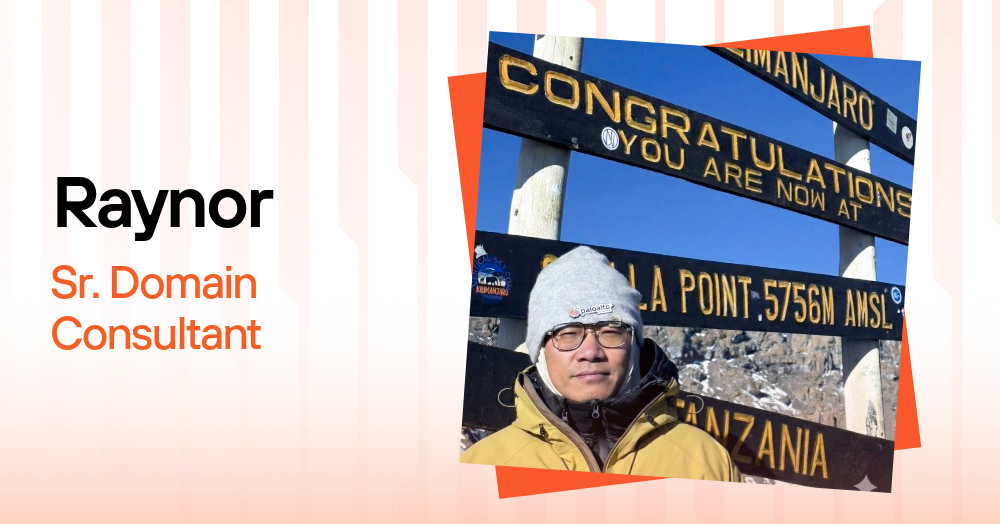
One Step at a Time: Raynor's Story of Perseverance on Kilimanjaro When the power bank is empty and the signal is gone, resilience takes over. Read Raynor’s incredible story of bringing the Palo Alto Networks logo to the peak of Africa. Thursday, March 12, 2026
Culture
-
Protecting the "Hospital City": Victoire’s Two-Year Journey in the French Public Sector Two years of protecting French citizens: Victoire reflects on the holistic vision needed to secure "Hospital Cities" and how resilience drives her team on and off the race track. Monday, March 16, 2026
Culture
Innovation & Impact
-
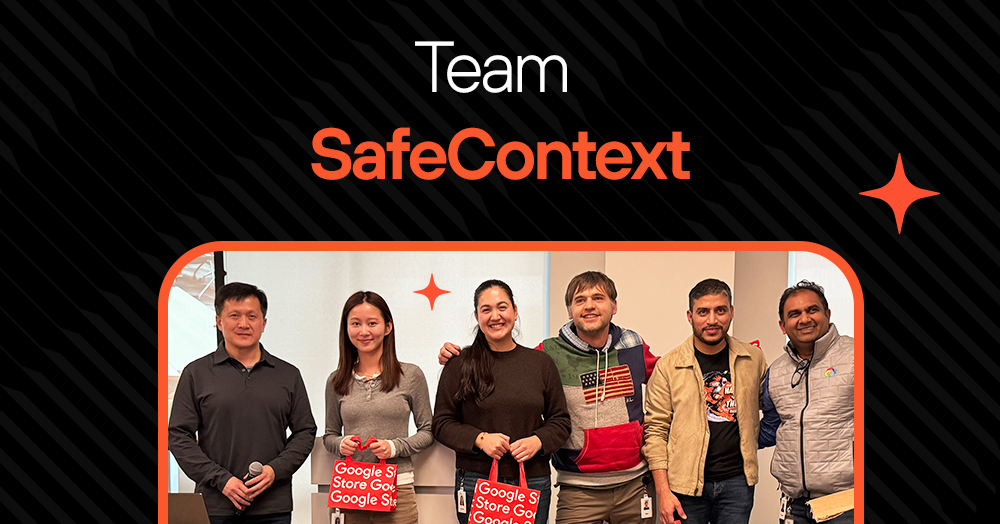
1st Place at Palo Alto Networks' Largest AI Hackathon: Meet Team SafeContext Engineers Alexander, Lauren, Qinge, and Nabeel share their experience competing in Palo Alto Networks' largest internal AI hackathon with their SafeContext project. Friday, April 17, 2026
Career Development
Culture
Innovation & Impact
-
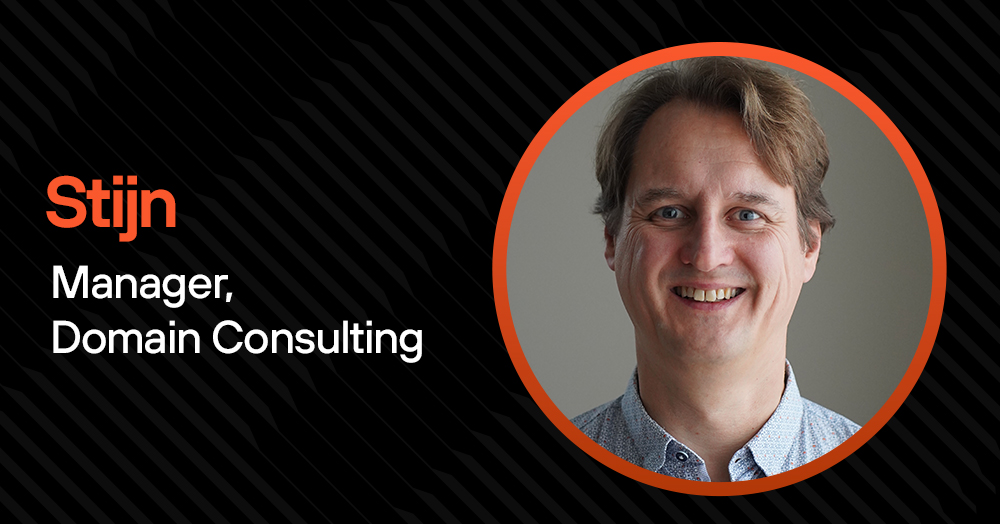
A New Chapter at a Familiar Home: Stijn Returns to Lead Cortex Domain Consulting Stijn reflects on his return to Palo Alto Networks, his new role managing the Northern European Cortex Domain Consultants, and the power of an integrated SOC platform. Friday, April 17, 2026
Career Development
Innovation & Impact
-
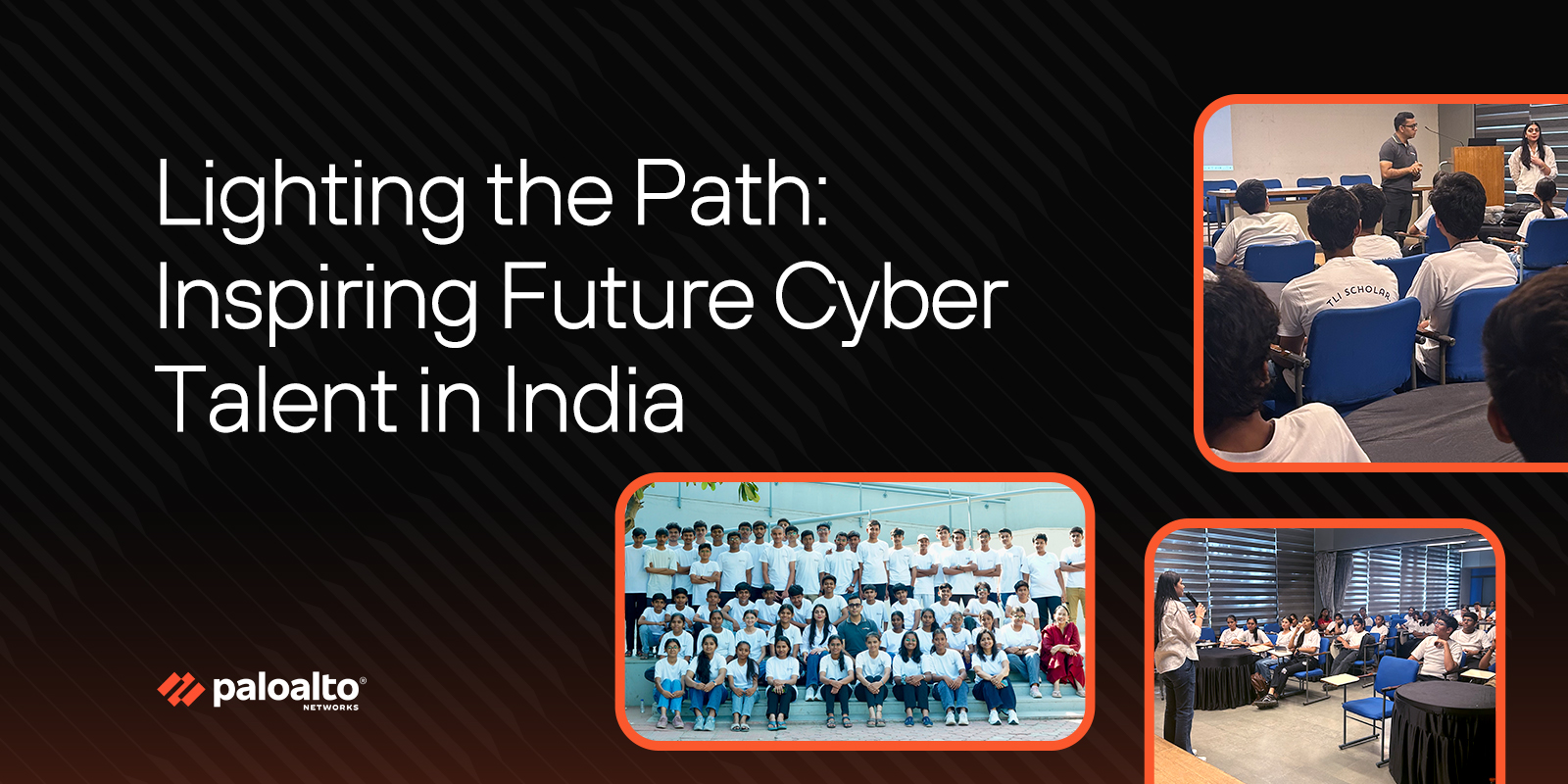
Lighting the Path: Inspiring Future Cyber Talent in India Palo Alto Networks partnered with The Lightship Initiative in India to host 60 students for an inspiring day of mentorship, bridging the gap between underserved youth and careers in cybersecurity. Wednesday, April 22, 2026
Inclusion
India
Early Talent
-
Connecting with Customers, Building Partnerships: Ashley’s Journey at Palo Alto Networks From BDR to SMB Sales Representative, Ashley’s journey at Palo Alto Networks highlights our "championship" culture of internal mobility. Wednesday, April 22, 2026
Career Development
Innovation & Impact
-
Helping Our Teammates Take FLIGHT Meet Tamara, Robert, and Salvatore as they share their experiences completing the FLIGHT program and preparing to drive customer impact in the cybersecurity landscape. Wednesday, April 22, 2026
Innovation & Impact
-
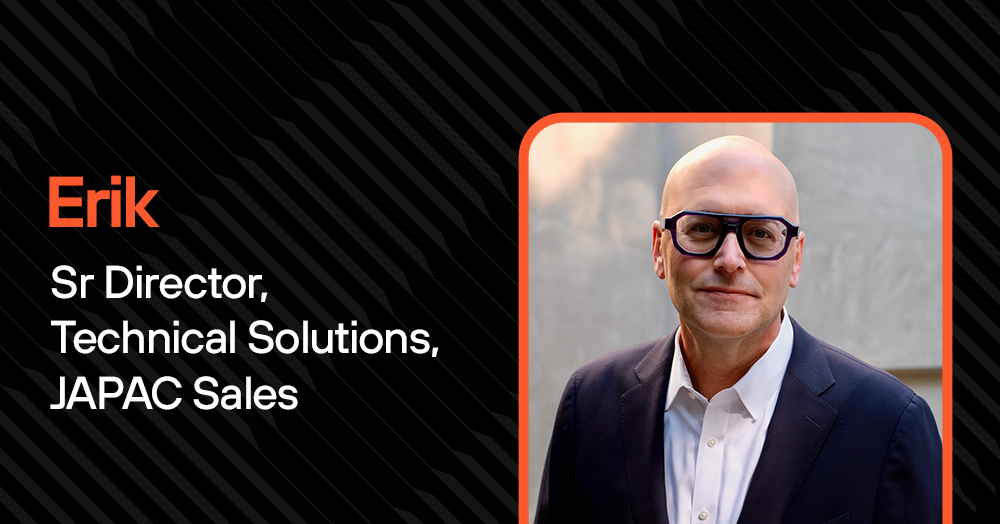
Leading with Agility: Why Erik Papir Sees ASEAN as the Ultimate Frontier for Cybersecurity Innovation Erik Papir discusses why Palo Alto Networks is the ideal place to drive innovation. Leading a diverse team across six countries, Erik explores the unique challenges of the ASEAN market and how a culture of agility provides a competitive edge. By combining the stability of a global powerhouse with the speed of a disruptor, he empowers his team to stay ahead of the curve. Learn how his leadership style fosters growth and unity in a rapidly evolving digital landscape. Thursday, April 23, 2026
Culture
Innovation & Impact
Career Advice
-
Growth, Support, and Cybersecurity: Why I Love Being a Solutions Consultant Solutions Consultant Diana Stoica reflects on her 18-month journey of rapid innovation, the power of a strong internal support system, and embracing growth and balance. Tuesday, April 28, 2026
Career Development
Innovation & Impact
-
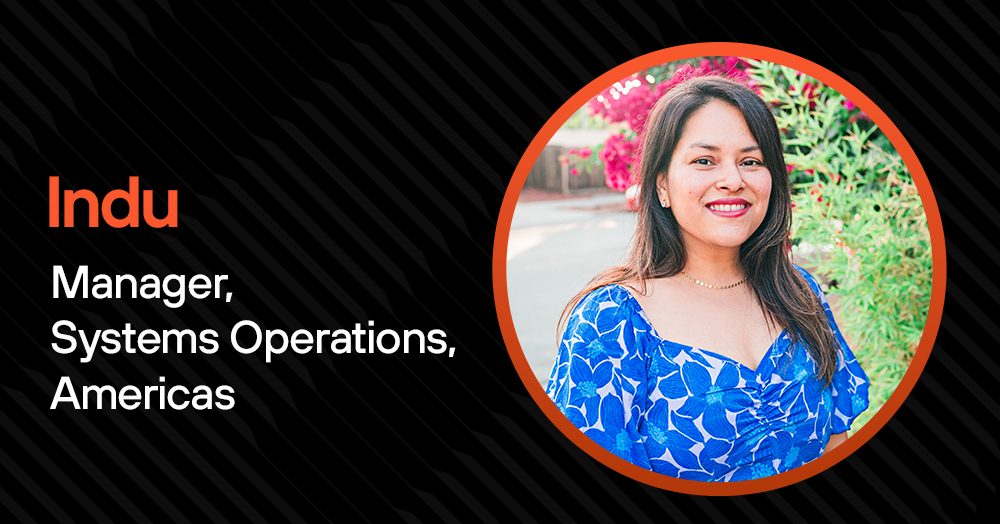
Seeing the Whole Picture: What Indu Loves About Systems Operations Indu shares how her new role has broadened her business perspective and empowered her to drive operational innovation. Tuesday, May 05, 2026
Career Development
Innovation & Impact
-
Thinking Globally: Patrick Embraces a New Opportunity Patrick discusses his transition to a strategic role working with global accounts in North America and India. Tuesday, May 12, 2026
Career Development
Innovation & Impact
-
From Technical Expertise to Leadership: My Journey at Palo Alto Networks Solutions Consultant Manager Benjamin Menestret discusses his career progression, the importance of platform strategy, and how his passion for trail running mirrors the skills needed in cybersecurity. Tuesday, May 19, 2026
Career Development
Innovation & Impact
-
社員インタビュー: 2年間の集中育成で「サイバーセキュリティの最高峰」へ -アソシエイト システムズ エンジニアの魅力とは? パロアルトネットワークスのSC(ソリューション コンサルタント)は、未経験からでも圧倒的な市場価値を高められるポジションです。業界リーダーである当社が今「第二新卒」の採用に注力している理由とは?アソシエイトシステムズエンジニアとして活躍する若手現社員3名へのインタビューを通じて、実践的なカリキュラムの魅力と、ここで得られる未来を紐解きます。 Tuesday, May 26, 2026
Japan
Career Development
Early Talent
-
Accelerating Career Growth: Atheel’s Leadership Journey Atheel shares insights on his first 180 days as a Consulting Director, the importance of technical foundations in leadership, and his vision for the future of Unit 42. Tuesday, June 02, 2026
Career Development
Culture
Innovation & Impact
-
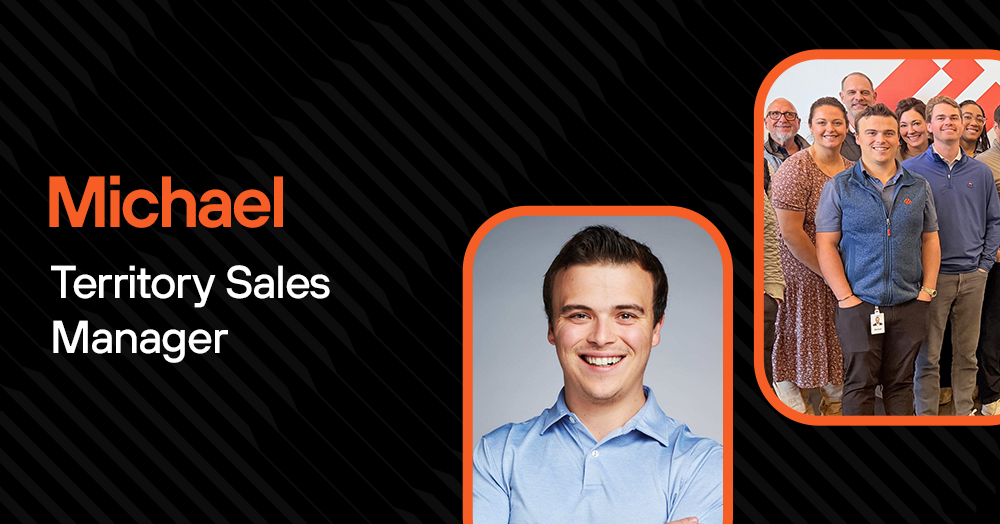
Embracing Collaboration: Meet Michael, Territory Sales Manager For Michael, Territory Sales Manager, Palo Alto Networks’ collaborative spirit is the ultimate differentiator. From elite mentorship and a "promote-from-within" culture to the cutting-edge power of Precision AI™, Michael shares how he transitioned from a security professional to a strategic advisor. Discover how our high-performance Sales team empowers employees to own their career trajectories while closing the "security gap" for clients worldwide. Read more about Michael’s journey and why there is no better home for talent dedicated to making the world a safer place. Tuesday, June 09, 2026
Innovation & Impact
Career Development
Culture
-
From the Americas to Amsterdam: Joe on Embracing Opportunities Joe shares insights on working abroad in EMEA, the value of cultural adaptability, and how his experiences have shaped him into a strategic leader. Tuesday, June 16, 2026
Career Development
Innovation & Impact
-
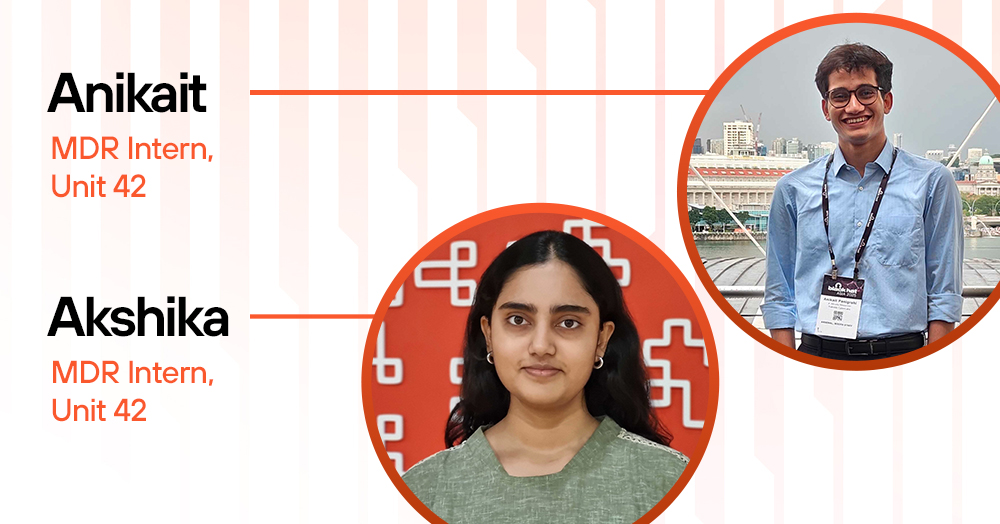
Internship Spotlight: Anikait and Akshika Reflect on Their First 90 Days with Unit 42 Managed Detection and Response (MDR) interns Anikait and Akshika share their journey halfway through their internship with Unit 42 in India. From mastering Cortex XDR to developing custom XQL queries used globally, they reflect on the collaborative culture, the impact of their technical contributions, and the essential skills needed to thrive in cybersecurity. Tuesday, June 23, 2026
Culture
Early Talent
India
-
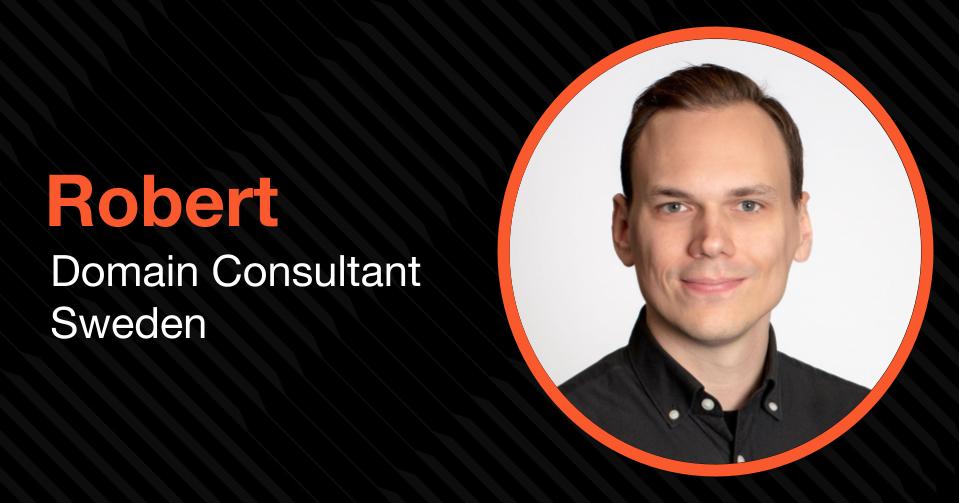
Robert’s Story: Why People and Technology Define His Journey For Robert, relationships play a central role in his success at Palo Alto Networks. Driven by a passion for technical hands-on experience and honest communication, he works to transform old architectures into modern solutions that build real, lasting trust with customers. Discover how an environment of autonomy, continuous learning, and a true team culture empowers him to deliver reliable inline threat prevention every single day. Tuesday, June 30, 2026
Career Development
Culture
-
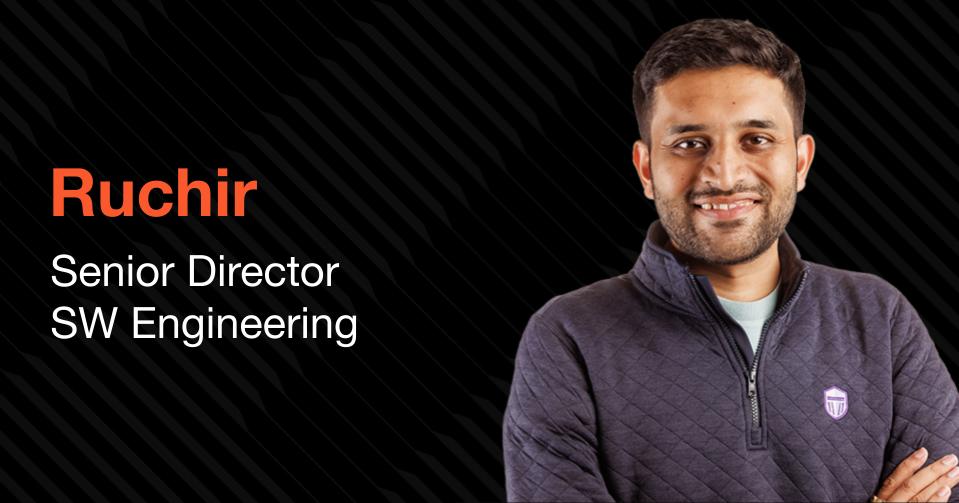
Architecting the AI Security Era: Insights from Ruchir Ruchir reflects on the current cybersecurity landscape, the competitive edge of an integrated platform strategy, and leading global innovation from India. Tuesday, July 07, 2026
Innovation & Impact
India
-
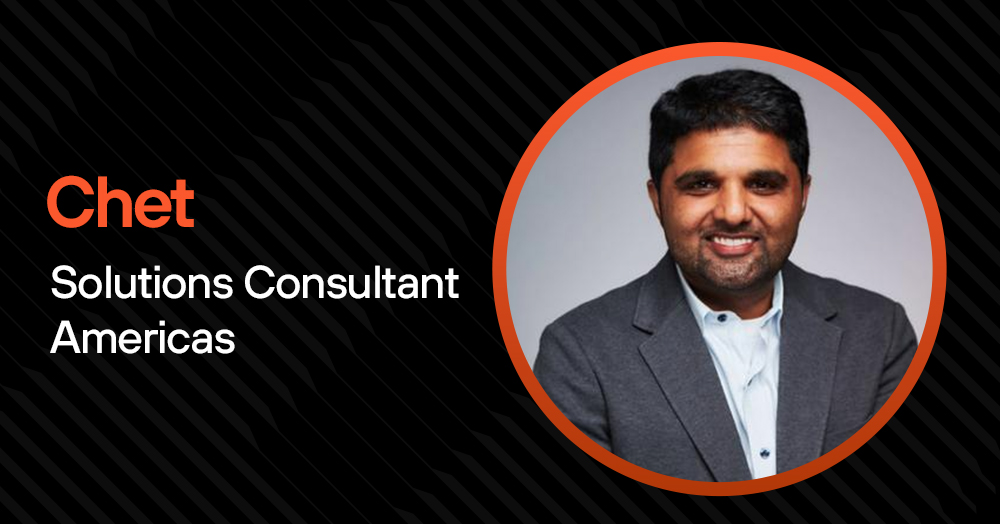
New Role, New Perspectives: Chet’s Next Chapter at Palo Alto Networks Chet reflects on his future goals at Palo Alto Networks and how he is leveraging architectural expertise in his new role as a Solutions Consultant to help customers. Tuesday, July 14, 2026
Career Development
Innovation & Impact
-
Working at Palo Alto Networks: Frequently Asked Questions Learn about what it's like to work at Palo Alto Networks, a top cybersecurity company offering career growth and inclusive culture. Tuesday, July 14, 2026
Career Development
Culture
-
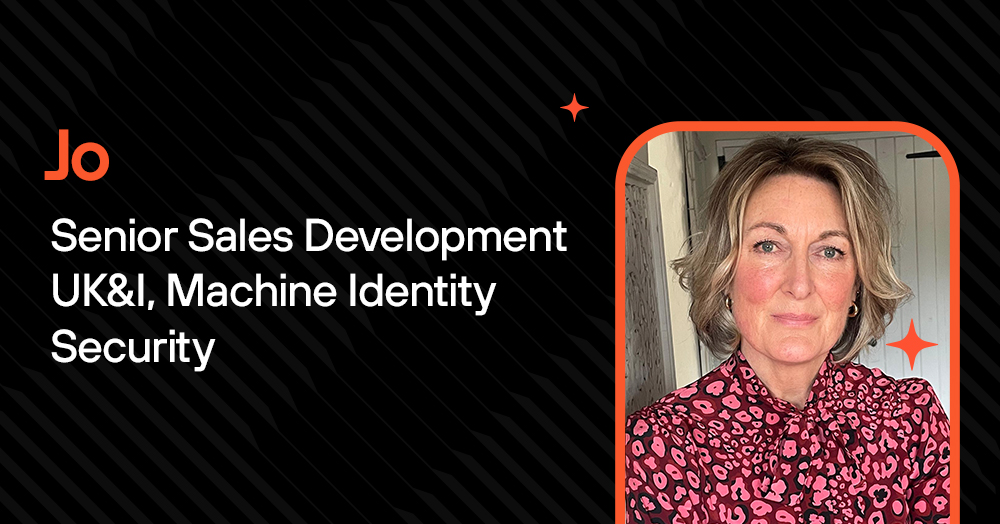
Leadership Spotlight: Jo on Navigating Machine Identity Security Jo reflects on the power of mentorship, the growing threat to non-human identities, and why Palo Alto Networks is uniquely positioned to protect customers. Tuesday, July 21, 2026
Career Advice
Career Development
Innovation & Impact
-
Leading the Frontier of AI Security: Insights from Deepak Deepak reflects on the competitive advantage of platformization and how our AI-powered teams are improving the security posture of Palo Alto Networks' products. Tuesday, July 28, 2026
Innovation & Impact
Culture
-
Engineering with Quality: Anand on Pioneering Autonomous Operations Anand reflects on leading the "digital nervous system" of the company, the competitive edge of "drinking our own champagne," and the journey toward Zero-Defect releases. Tuesday, August 04, 2026
Career Development
Innovation & Impact
India
-
Earning the Right to Innovate: A Spotlight on Brandon “BT” Traffanstedt From back-end developer to Senior Director in the Field Technology Office, Brandon “BT” Traffanstedt’s career has been defined by a transition from building code to building trust. In this spotlight, BT discusses the importance of identity in the modern threat landscape, his experience emceeing global events to overcome introversion, and why being a "trusted advisor" is the accomplishment he prizes most. Tuesday, August 11, 2026
Innovation & Impact
Career Development
Culture
-
From QA Intern to Principal Engineer: Milen on Career Growth and Team Impact Meet Milen Atanasov, a Principal Software Automation/Test Engineer in Bulgaria. Learn how his technical curiosity and a supportive team environment helped him transition from executing basic tests to driving quality initiatives, establishing engineering standards, and preparing for the AI-driven future of cybersecurity. Tuesday, August 18, 2026
Career Development
Culture
Early Talent
-
15 Questions with Julia: Interning at Palo Alto Networks Meet Julia, a Business Administration major and Early Talent Programs intern at Palo Alto Networks. In this 15-question Q&A, Julia shares her summer experience, highlighting the action-oriented company culture, the importance of AI in daily tasks, and how non-technical roles play a critical part in the cybersecurity ecosystem. Read on for her insights and advice for future applicants. Thursday, August 20, 2026
Early Talent
Career Advice
Culture
-
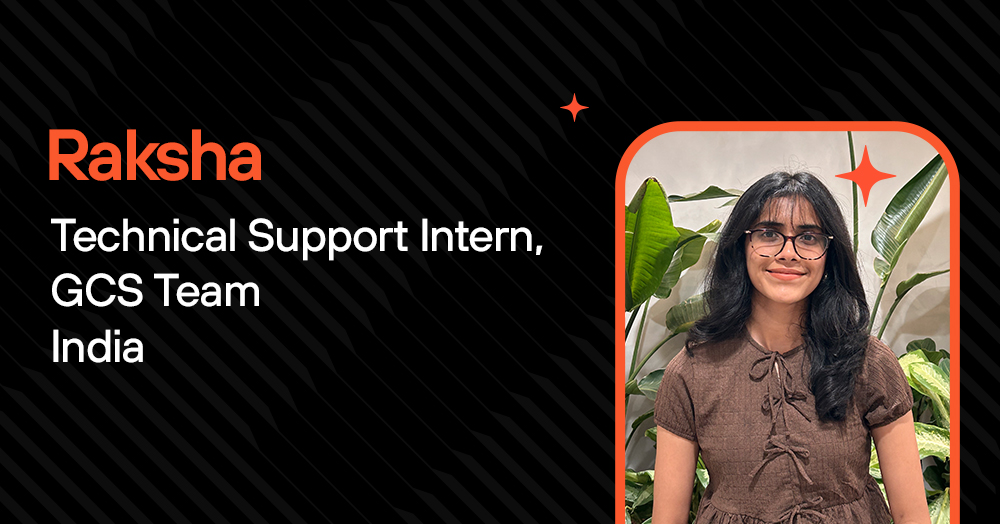
Internship Spotlight: Building Automation and Impact with Raksha Meet Raksha R, a Technical Support Intern on the GCS team in India. From her first 90 days in the networking labs to developing internal automation tools that streamline global threat intelligence, Raksha shares how the collaborative culture and the art of asking the right questions have fueled her success. Read about her journey, her "wow" moments in hardware labs, and how she maintains balance through daily journaling and snooker. Tuesday, August 25, 2026
Early Talent
Innovation & Impact
India
-
Lorie on 30 Years in Tech – and the Power of Curiosity From her early days as an auto-mechanic apprentice to her current role as a Senior Solutions Engineer in Canada, Lorie has always been a "systems thinker." Read her reflections on turning data chaos into business context, the importance of empathy in cybersecurity partnerships, and why she encourages young professionals to never silo themselves in their careers. Tuesday, September 08, 2026
Career Advice
Culture
Innovation & Impact
-
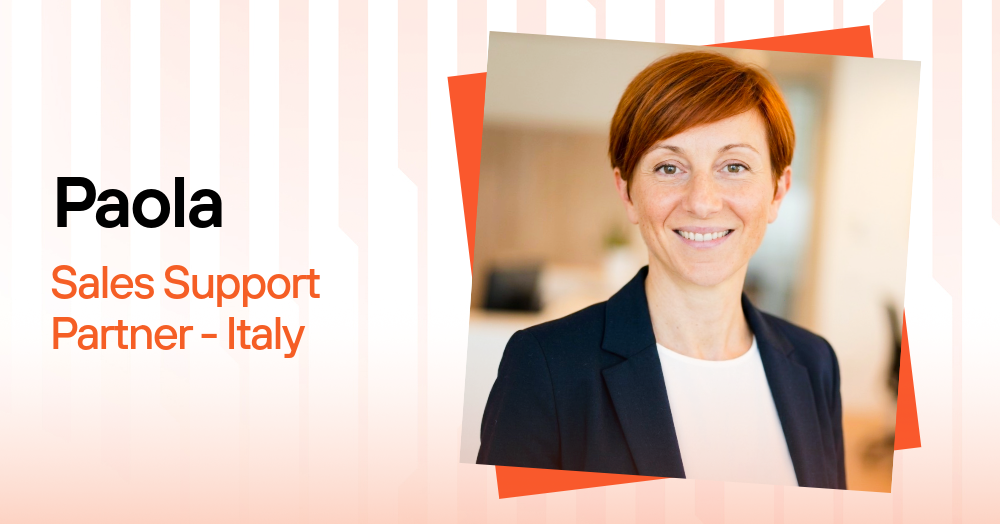
Driving Cybersecurity Success: How Paola Zapparata Empowers Sales Support in Italy As a Sales Support Partner in Italy, Paola Zapparata sits at the crucial intersection of the sales force, partner ecosystems, and customers. Discover how she embraces cross-functional collaboration, streamlines operations, and leverages the corporate value of impact to help protect our digital way of life. Tuesday, September 15, 2026
Career Development
Culture
Innovation & Impact
-
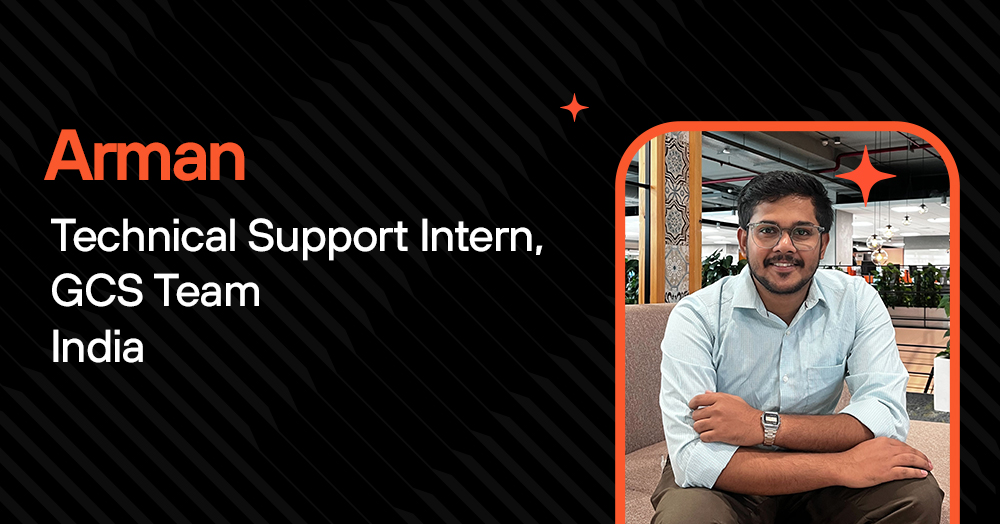
Internship Spotlight: Arman Graduates From Academic Theory to Real-World Impact Meet Arman, a Technical Support Intern on the GCS team. From configuring physical firewalls to building an automated threat analysis platform, Arman is bridging the gap between academic theory and real-world cybersecurity. Discover how a supportive culture, a dedicated mentor, and a passion for the perfect biryani fuel his success at Palo Alto Networks. Tuesday, September 22, 2026
Early Talent
Innovation & Impact
India
-
Messi on Leading R&D and Embracing Mission-Driven Innovation Messi, Senior Director of Engineering at Palo Alto Networks, discusses his career journey from an elite military software unit to leading a global team of over 100 engineers. Learn how his team is driving innovation with Zero Standing Access, securing non-human identities, and unifying security platforms to protect organizations worldwide from modern threats. Tuesday, September 29, 2026
Career Advice
India
Israel
-
Employee Spotlight: Joe on Engineering, Leadership, and and Protecting Our Digital Way of Life From serving as a civilian engineer in the U.S. Air Force to leading teams at Palo Alto Networks, Joe’s career journey is rooted in continuous learning. Now, as a Solutions Engineering Manager, Joe shares how he fosters a collaborative team culture, navigates the evolving AI threat landscape, and helps engineering talent stay ahead of adversarial shifts. Tuesday, October 06, 2026
Career Development
Culture
Military & Veterans
-
Chasing Curiosity: Ketty’s Journey to Palo Alto Networks From jumping into a brand-new cybersecurity track out of pure curiosity to leading an elite team as Senior Director of Solutions Engineering for the Mediterranean region, Ketty’s 18-year journey is a masterclass in breaking boundaries. Discover how she fostered an unbreakable bond of trust within her team, navigated a male-dominated industry, and why she believes the future of AI makes this the most exciting time to be at Palo Alto Networks. Tuesday, October 13, 2026
Career Advice
Career Development
Culture












































































































No Recently Viewed Jobs
No Recently Viewed Jobs